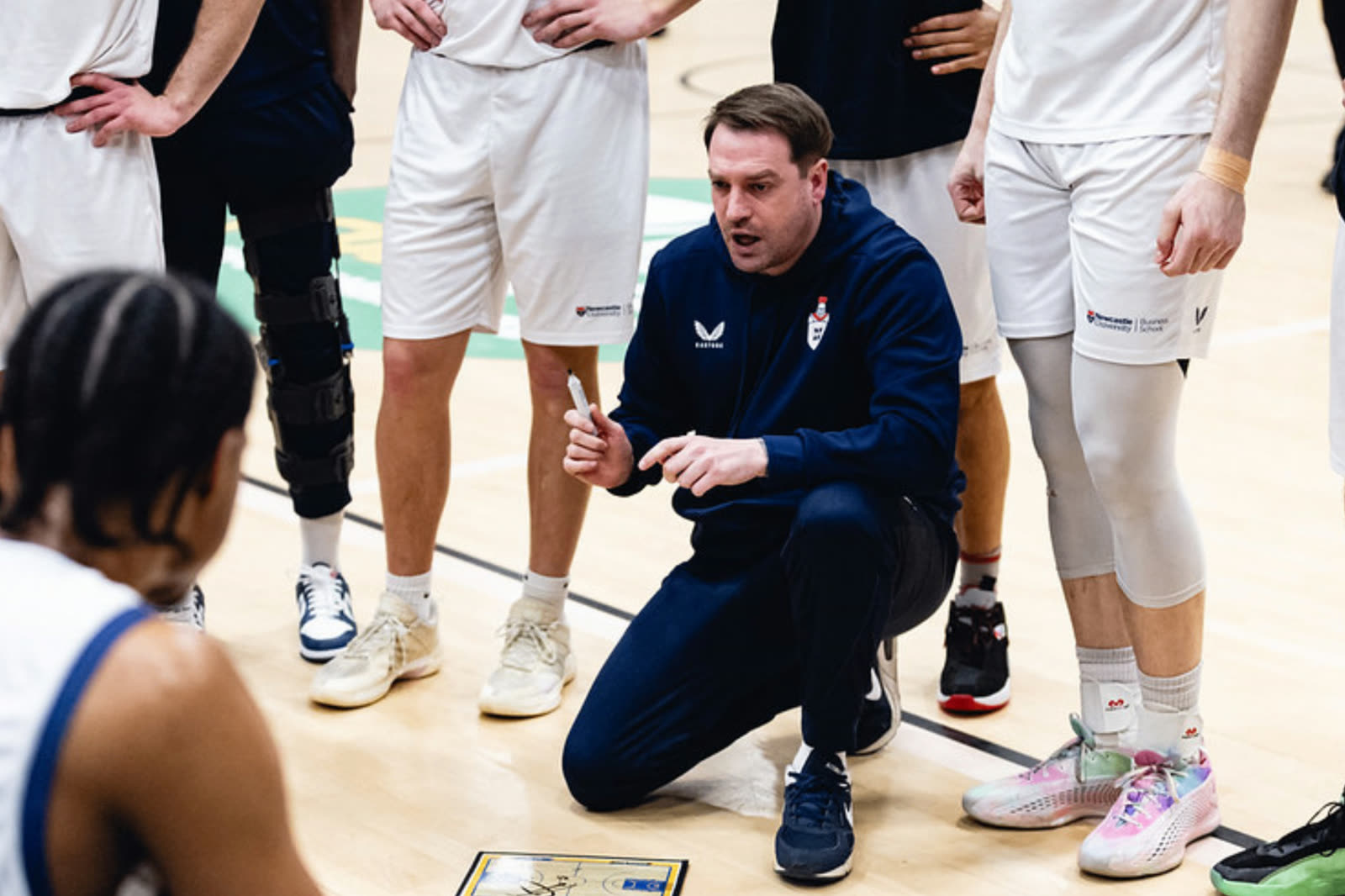

American student-athletes can get recruited by universities in the UK and Australia by presenting a clear academic and athletic profile, identifying suitable postgraduate courses and making themselves visible to university coaches. The process is different from NCAA recruiting, so it helps to treat academics and sport as two connected—but separate—decisions.
Moving abroad for graduate school can give you the opportunity to keep competing while earning an international qualification. But coaches need enough information to understand who you are, what level you have played at and whether your academic plans fit their university.
Here is how to approach the process.
1. Start with your academic goals
A university coach may be interested in you as an athlete, but you still need to qualify for a suitable academic program.
Before focusing on teams, think about:
- What subject you want to study.
- Whether you want a taught or research-based postgraduate degree.
- Your undergraduate GPA and relevant coursework.
- Your preferred course length.
- Your realistic budget.
- Whether you are more interested in the UK, Australia or both.
This prevents a common mistake: choosing a sporting opportunity first and discovering later that the course is not right for you.
> **Athlete Futures Tip:** Your best option is not always the strongest team. The right fit combines a course you genuinely want, a sporting environment that suits your level and a location you can see yourself enjoying.
2. Build a complete recruitment profile
Coaches are more likely to engage when they can quickly understand your background.
A useful recruitment profile should include:
- Your name, age and nationality.
- Current college or university.
- Sport, position or event.
- Height and other relevant measurements.
- Playing history and competition level.
- Key statistics.
- Academic subject and GPA.
- Expected graduation date.
- Preferred postgraduate subject.
- Video footage where relevant.
- Coach references or contact details where appropriate.
Keep the information accurate. A well-organized profile is more valuable than an exaggerated one.
Athlete Futures Abroad gives athletes a free place to create this profile and become visible to university coaches in the UK and Australia.
3. Use video that helps coaches evaluate you
Video is essential in many sports, but the right format varies.
For basketball, soccer, volleyball and lacrosse, a short highlights video can introduce your ability, but full-game footage may help coaches judge decision-making and consistency.
For swimming and track and field, verified times and results are usually more important than a cinematic highlights reel.
For golf, include a current handicap, tournament record, scoring averages and footage that clearly shows your game where useful.
Your opening clips should show your strongest and most relevant actions. Do not spend the first 30 seconds on graphics, logos or slow-motion introductions.
4. Understand that the system is not NCAA recruiting
University sport abroad does not work exactly like NCAA sport.
There may not be a direct equivalent of:
- Athletic departments structured in the same way.
- NCAA divisions.
- National Letters of Intent.
- Full athletic scholarships.
- The same roster, season or eligibility rules.
The sporting setup can also vary significantly between universities and sports. One institution may run a highly competitive performance program, while another may combine student club sport with external competition.
Ask each coach how their specific program works rather than assuming the entire country follows one model.
5. Give coaches a reason to respond
A generic message saying “I want to play overseas” gives a coach very little to work with.
A strong introduction should briefly explain:
1. Who you are. 2. Where and at what level you currently compete. 3. When you will graduate. 4. What you want to study. 5. Why that university or program interests you. 6. Where the coach can see your profile and footage.
Keep it short and personal. Coaches can tell when the same message has been sent to dozens of teams without any research.
6. Ask the right questions
Recruitment is a two-way process. A coach is assessing you, but you should also assess the opportunity.
Questions to ask a coach
- What level does the team compete at?
- How is the season structured?
- How often does the team train?
- What strength and conditioning support is available?
- How many athletes are currently in my position or event?
- How are teams selected?
- Are there additional club or regional opportunities?
- What academic workload should I expect?
- What funding might be available?
- What costs are not covered?
- What accommodation options do athletes normally use?
A scholarship figure alone does not tell you whether an opportunity is affordable. Ask for the full financial picture.
7. Prepare your academic documents early
The exact requirements vary by institution and course, but athletes are commonly asked for documents such as:
- Academic transcripts.
- Proof of degree completion.
- Personal statement or statement of purpose.
- References.
- Resume or CV.
- Passport details.
- Evidence of English-language ability where applicable.
Do not wait for a coach to show interest before organizing your academic information. Recruitment and admissions can move at different speeds.
8. Start earlier than you think
Beginning nine to twelve months before your preferred start date usually gives you more time to compare courses, speak with coaches, explore funding and complete admissions steps.
That does not mean a later application is impossible. It means your range of options may become narrower as rosters, scholarships, accommodation and course places fill.
A simple recruitment timeline
| Time before study | Recommended action | |---|---| | 12+ months | Clarify course, country, sport and budget preferences | | 9–12 months | Build your profile and begin coach conversations | | 6–9 months | Narrow options and prepare applications | | 3–6 months | Finalize admissions, funding and accommodation | | Final months | Follow official travel and visa processes |
Visa rules can change. Athlete Futures Abroad does not provide immigration advice, so always use the official UK or Australian government source and follow instructions from your university.
9. Compare the whole opportunity
When you receive interest, compare each option using the same criteria.
Consider:
- Course quality and relevance.
- Sporting level and role.
- Coaching environment.
- Total tuition.
- Scholarship or bursary.
- Living costs.
- Course duration.
- Location.
- Accommodation.
- Travel.
- Personal goals after graduation.
A clear comparison helps you avoid making an emotional decision based only on the first coach who contacts you.
What this means for you
You do not need to navigate every university and coach alone. You do need to present yourself clearly, stay open-minded and make decisions based on both academics and sport.
The strongest recruitment journeys normally begin with three things: a complete profile, realistic expectations and an understanding of what matters most to you.
Frequently asked questions
Do UK and Australian universities recruit American student-athletes?
Yes. Opportunities vary by university, sport, academic program and budget, but coaches in both countries may recruit athletes with US college experience.
Do I need remaining NCAA eligibility?
Not necessarily. University competition abroad follows its own rules. You should confirm your eligibility with the relevant university and competition organizer rather than assuming NCAA rules apply.
Can I receive an athletic scholarship?
Funding may be available, but structures differ from the US and awards vary widely. Some support may be athletic, academic or combined. Always ask what the award covers and what you would still need to pay.
Do I have to pay to join Athlete Futures Abroad?
No. Athletes can create and use their recruitment profile free of charge.
Can a coach guarantee my admission?
No. A coach may support or guide the process, but the university’s admissions team decides whether you meet the academic requirements.
When should I start?
Starting nine to twelve months before your intended course begins is a sensible target, although timelines vary.
Create your free recruitment profile
**Ready to explore postgraduate opportunities in the UK or Australia?**
Create your free Athlete Futures Abroad recruitment profile. Present your academic and athletic background, become visible to university coaches and take the first step in your recruitment journey.
Related reading
- UK University Sport Explained
- Australian University Sport Explained
- UK vs Australia for American Student-Athletes
- What to Include in a Student-Athlete Recruiting Profile
- Questions to Ask a University Coach
Start your overseas recruitment journey
Join AFA to create your free recruitment profile, become visible to university coaches, and compare opportunities that fit your goals.