
Three routes exist after college: a professional or semi-professional contract, a club place that pays little or nothing but keeps you competing, or an overseas university place where enrolment makes you eligible. Most athletes chase the first, qualify for the third, and never hear about it.
Be honest about which tier you are in
Overseas leagues are stratified far more finely than American college sport. In most sports there is a top division that signs imports on real contracts, a second and third tier that pays part-time or in kind, and a broad amateur base. Your college numbers place you somewhere in that stack, and the placement is usually one tier lower than athletes expect on first contact.
That is not a reason to stop. It is a reason to run two routes in parallel rather than betting everything on the contract.
Sport by sport, roughly
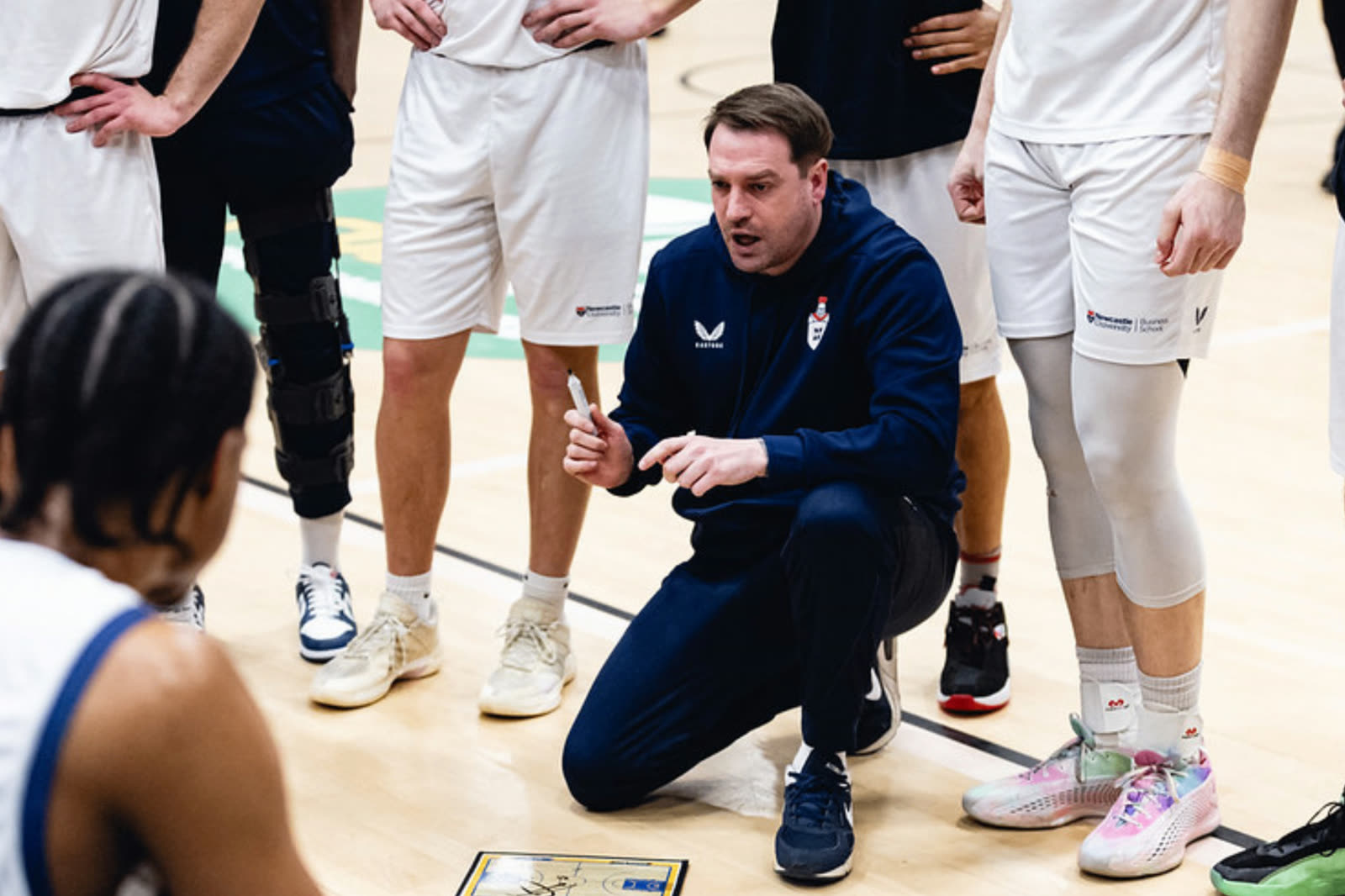
- Basketball: the deepest import market. Leagues across Europe, Australia, Asia and Latin America sign Americans every season. Top-tier salaries are real; lower tiers frequently pay in accommodation, a car and expenses. Exposure comes through agents and summer showcases.
- American football: a small but genuine import market in European leagues and in the UK, with tight roster limits on non-nationals. University-level American football also exists in the UK for enrolled students.
- Soccer: heavily gated by work-permit and governing-body rules, which are strict for non-internationals. Semi-professional and university routes are far more accessible than the professional leagues.
- Track and field, swimming and rowing: individual sports where a university training group overseas often gives better coaching and competition access than a low-tier professional arrangement.
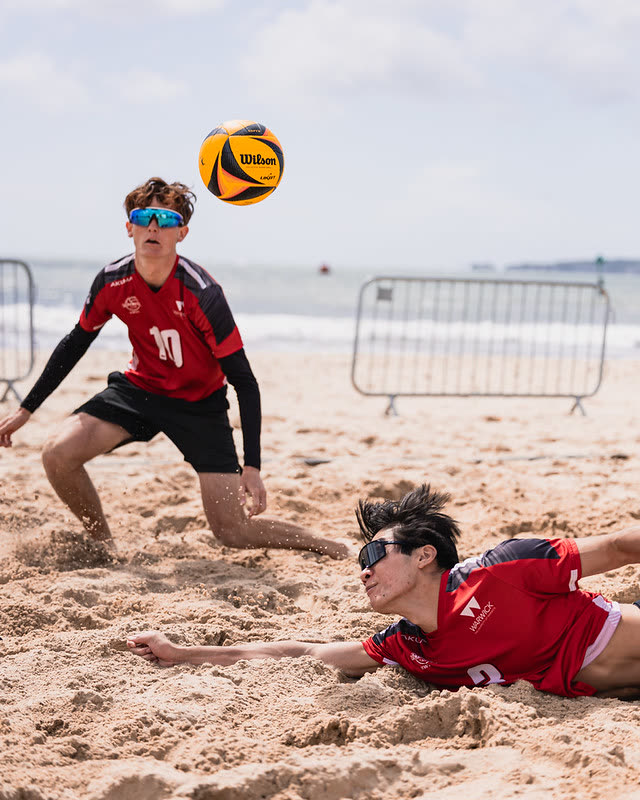
- Volleyball, handball, netball and hockey: active import markets in Europe and Australasia, typically part-time contracts combining play, coaching hours and study.
- Rugby: club-based, with a strong tradition of overseas players combining a semi-professional club place with study or work.
What the money actually looks like
Ask three specific questions of any offer and treat the answer as the offer: what is the net monthly payment, what is provided in kind, and who pays flights, insurance and tax. A package that reads well can be close to zero once housing and travel are stripped out. Lower-tier overseas contracts commonly cover accommodation and expenses with a small stipend rather than a salary you could save from.
Trials, agents and exposure
- Film beats claims. Full-game footage plus a short highlight cut, with verified statistics from a recognised source.
- Agents should not charge you upfront in most markets. Their income comes from placing you; be careful with anyone reversing that.
- Combines and showcases are worth it when clubs actually attend - ask for last year's attendee list before you pay.
- Direct contact still works at lower tiers. Coaches read short, specific emails with film attached.
- Timing matters: most European seasons recruit in late spring and again in the pre-season window.
Visas are the part that catches people
Playing sport for payment almost always requires a sporting or work visa, which usually requires the club to sponsor you and often requires you to meet an elite-standard threshold set by the national governing body. Lower-tier clubs frequently cannot sponsor at all. A student visa, by contrast, is issued on the strength of a university offer and allows you to study, compete for the university and work limited hours.
This is the practical reason so many post-college athletes end up on the university route: it is the visa that is actually obtainable.
The university route, stated plainly
UK and Australian university sport is enrolment-based. There is no eligibility clock and no seasons-used count. Enrol, register with the competition, and you are eligible to represent the university. A one-year UK taught master's therefore gives you a full BUCS season and a postgraduate qualification in twelve months; Australian universities run the equivalent through UniSport with February and July intakes, on master's programmes that typically run two years.
Sports scholarships at these universities are typically partial - a cash award, a fee reduction, or a performance-support package covering strength and conditioning, physiotherapy and coaching. Compare the total net cost rather than the headline award.
A workable plan
- Confirm whether you still hold NCAA eligibility before anything else - a grad transfer outranks both other routes.
- Build one evidence pack: full-game film, highlight cut, verified statistics, academic transcript, references.
- Run the contract search and the university search at the same time, on the same evidence pack.
- Check the visa route for every offer before you get emotionally committed to it.
- Set a decision date. Overseas university intakes have hard deadlines; club offers rarely do.
FAQs
Can I play sports overseas after college?
Yes. Professional and semi-professional clubs sign Americans across most sports, and overseas university sport is open to any enrolled student regardless of how many NCAA seasons you have used.
Do I need an agent to play overseas?
For top-tier professional contracts, usually yes. For lower-tier clubs and for university sport, direct contact with film and verified statistics is normal and effective.
How much do semi-pro athletes get paid abroad?
It varies enormously by sport, country and tier. Many lower-tier arrangements provide accommodation, expenses and a modest stipend rather than a salary. Always ask for the net monthly figure and what is provided in kind.
What visa do I need to play sport abroad?
Paid play normally needs a sponsored sporting or work visa, which many smaller clubs cannot provide. A student visa issued against a university offer allows you to study and compete for that university.
Can I compete overseas if my NCAA eligibility is finished?
Yes. British and Australian university competition is based on enrolment, not seasons used, so a completed NCAA career does not affect your eligibility there.
Compete overseas while you qualify
Enrolling at a UK or Australian university makes you eligible to compete for it. Create a free profile and we will show you what is open in your sport.