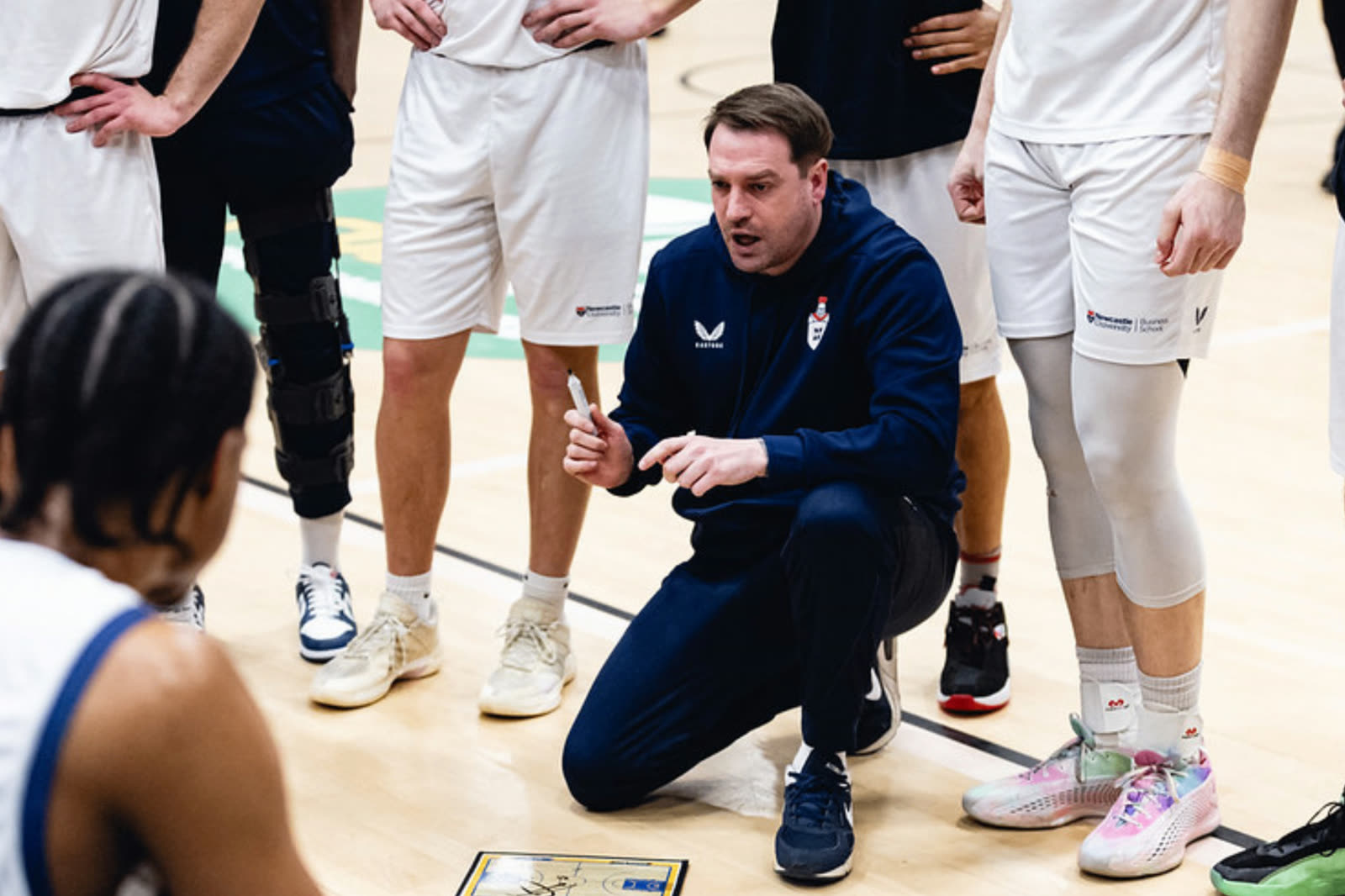

If you're hoping to continue your sporting career while studying in the UK or Australia, you'll almost certainly communicate with university coaches during the recruitment process.
For many athletes, the thought of sending that first email feels intimidating.
What should you say?
How long should it be?
What information should you include?
The good news is that coaches aren't expecting the perfect email. They're looking for athletes who communicate professionally, are genuinely interested in their programme and provide enough information to start a conversation.
Traditionally, athletes had to research universities, find coaches' contact details and send emails themselves.
Athlete Futures Abroad makes this much easier.
Once you've created your recruitment profile, you can request a coach introduction with a single click. We'll introduce you to the appropriate coach, helping you skip hours of research and ensuring your information reaches the right person.
Even after that introduction, you'll still exchange emails throughout your recruitment journey. This guide will help you communicate confidently and make a strong impression.
Do You Always Need to Email a Coach?
There are two common ways to connect with university coaches.
Option 1: Traditional Outreach
You research universities yourself, search for coaching staff, find their contact details and send an introductory email.
This approach can work, but it takes time and there's no guarantee you've found the right contact.
Option 2: Athlete Futures Abroad
Create your recruitment profile.
Browse universities that match your academic and sporting goals.
Request a coach introduction through the platform.
We'll introduce you to the appropriate coach so you can focus on building the relationship rather than searching for email addresses.
Whichever route you take, professional communication remains essential.
When You'll Need to Email a Coach
Even if Athlete Futures Abroad introduces you, you'll still use email throughout the recruitment process.
Common situations include:
- Replying after we've introduced you.
- Confirming a video call.
- Sending updated highlights.
- Sharing improved statistics.
- Asking questions before applying.
- Thanking a coach after a meeting.
- Following up if you haven't heard back.
- Providing additional academic information if requested.
Think of each email as another opportunity to demonstrate that you're organised, reliable and genuinely interested in the university.
What Coaches Want to See
Your first email doesn't need to tell your life story.
It should answer the questions a coach is most likely to ask.
Include:
- Your name.
- Your current university.
- Your expected graduation date.
- Your sport and position or event.
- The postgraduate course you're interested in.
- Why you're interested in that university.
- A link to your Athlete Futures Abroad profile or highlight video.
- A polite invitation to continue the conversation.
If a coach wants more information, they'll ask for it.
Your goal is simply to start the conversation.
What to Avoid
Many athletes make the same mistakes.
Avoid:
- Sending one generic email to every university.
- Writing several long paragraphs.
- Using informal language.
- Forgetting to include your highlight video.
- Asking about scholarships before introducing yourself.
- Sending attachments that are too large.
Remember, coaches receive many enquiries throughout the year.
A clear, well-written email is much more likely to receive a response.
Bad Example
Hi Coach, I'm looking for a scholarship. Can you recruit me? Thanks.
This email tells the coach almost nothing.
There's no academic information, no sporting background and no reason for contacting that university.
Strong Example
Dear Coach Williams, I hope you're well. My name is Michael Carter and I'm currently completing my undergraduate degree in Business Administration at the University of North Alabama. I'll graduate next spring and I'm exploring postgraduate opportunities in the UK while continuing my basketball career. I'm particularly interested in your MSc in Sport Management and enjoyed reading about your recent success in BUCS competition. I've included a link to my Athlete Futures Abroad profile, where you'll find my academic information, statistics and recent highlights. I'd appreciate the opportunity to discuss whether I could be a good fit for your programme. Thank you for your time, and I look forward to hearing from you. Kind regards, Michael Carter
Notice what works well.
The email is:
- Personal.
- Relevant.
- Professional.
- Easy to read.
- Focused on fit rather than funding.
Real Recruitment Scenarios
Replying After an Athlete Futures Abroad Introduction
Dear Coach, Thank you for taking the time to speak with me. I'm excited to learn more about your programme and appreciate Athlete Futures Abroad making the introduction. I've reviewed the course information and would love to arrange a video call if convenient. Please let me know what dates work best for you. Kind regards, Sarah Johnson
Confirming a Video Call
Thank you for your email. Tuesday at 3:00 pm works perfectly for me. I look forward to speaking with you and learning more about the programme. Kind regards, Alex Brown
Sending Updated Highlights
Dear Coach, I hope you're doing well. Since our last conversation I've uploaded a new highlight video and updated my statistics. I thought I'd share them with you as my season has recently finished. Thank you again for your time and continued interest. Kind regards, Emily Davis
Following Up
If you haven't received a response after about a week, a polite follow-up is perfectly acceptable.
Dear Coach, I hope you're well. I just wanted to follow up on my previous email in case it was missed. I'd still be very interested in discussing opportunities within your programme. Thank you for your time. Kind regards, David Miller
Keep follow-ups friendly and professional.
One follow-up is usually enough.
Thanking a Coach After a Meeting
A simple thank-you email leaves a positive final impression.
Dear Coach, Thank you for taking the time to speak with me today. I enjoyed learning more about the university, the team and the opportunities available for postgraduate students. Our conversation has made me even more excited about the possibility of joining your programme. Thank you again, and I look forward to hearing from you. Kind regards, Jessica Lee
Communication Tips
Good communication isn't about sounding formal.
It's about being respectful, clear and reliable.
A few simple habits make a big difference.
- Reply within a reasonable timeframe.
- Double-check spelling and grammar.
- Keep emails concise.
- Use a professional email address.
- Read the coach's questions carefully before replying.
- Be honest about your achievements.
- End every email politely.
Coaches notice athletes who communicate well because those habits often carry over into university life and team environments.
Athlete Futures Coach Communication Checklist™
Before sending any email, ask yourself:
- ✓ Have I personalised the email?
- ✓ Have I explained why I'm interested in this university?
- ✓ Have I included my Athlete Futures Abroad profile or highlight video?
- ✓ Have I checked for spelling mistakes?
- ✓ Is my profile fully up to date?
- ✓ Have I ended with a clear next step?
If you can answer yes to every question, you're ready to press send.
Frequently Asked Questions
Should I still email a coach if Athlete Futures Abroad introduces me?
Yes. Our introduction starts the conversation, but building the relationship is your opportunity. Prompt, professional communication helps create a positive impression.
How long should my email be?
Aim for around 150 to 250 words. Give the coach enough information to understand who you are without overwhelming them.
Should I send the same email to every university?
No. Personalise each email by mentioning the university, course or team. Coaches can usually tell when they've received a generic message.
What if I don't receive a reply?
Wait around one week before sending a polite follow-up. Coaches are often balancing recruitment with training, teaching and competitions.
Should I ask about scholarships in my first email?
It's usually better to establish the relationship first. Once a coach understands your background and interest in the programme, scholarship discussions become much more natural.
Build Relationships, Not Just Emails
The best recruitment journeys don't begin with a perfect template.
They begin with genuine conversations.
Whether you're contacting coaches yourself or using Athlete Futures Abroad to request an introduction, your goal is the same.
Find a university where you'll succeed academically, enjoy your sporting experience and prepare for the career you want after graduation.
If you're ready to start those conversations, create your free Athlete Futures Abroad recruitment profile, explore universities across the UK and Australia and request a coach introduction with a single click.
We'll help you reach the right people so you can focus on finding the right fit.
Build relationships, not just emails
Create your free Athlete Futures Abroad recruitment profile, explore universities across the UK and Australia and request a coach introduction with a single click.