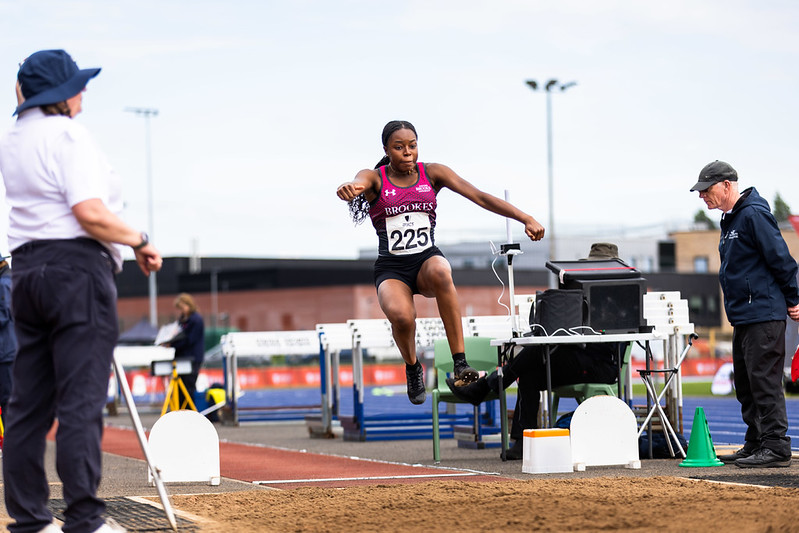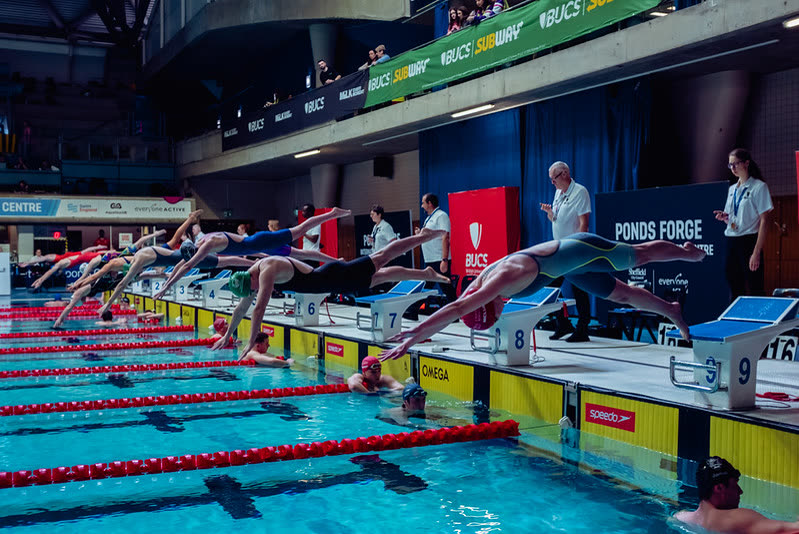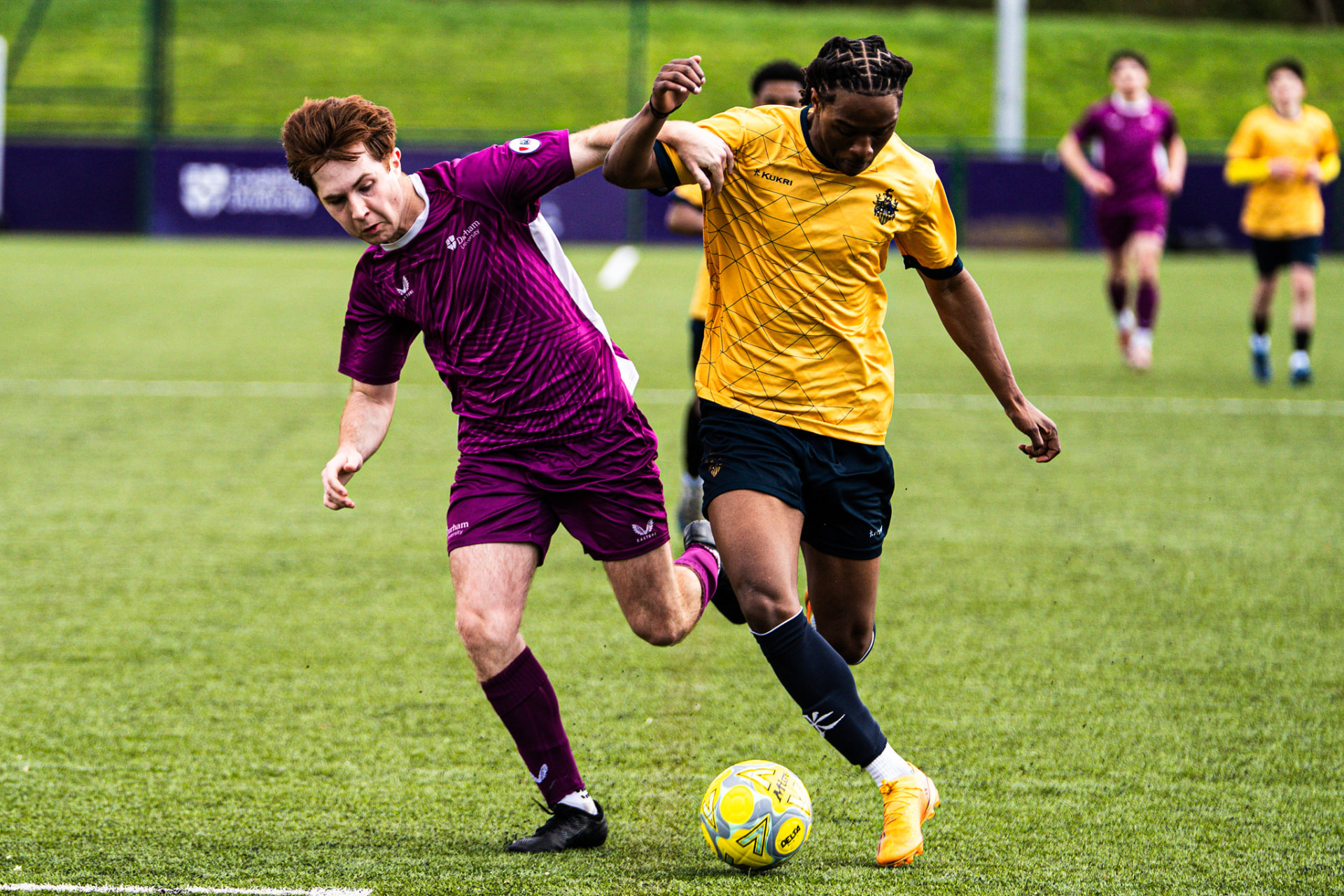
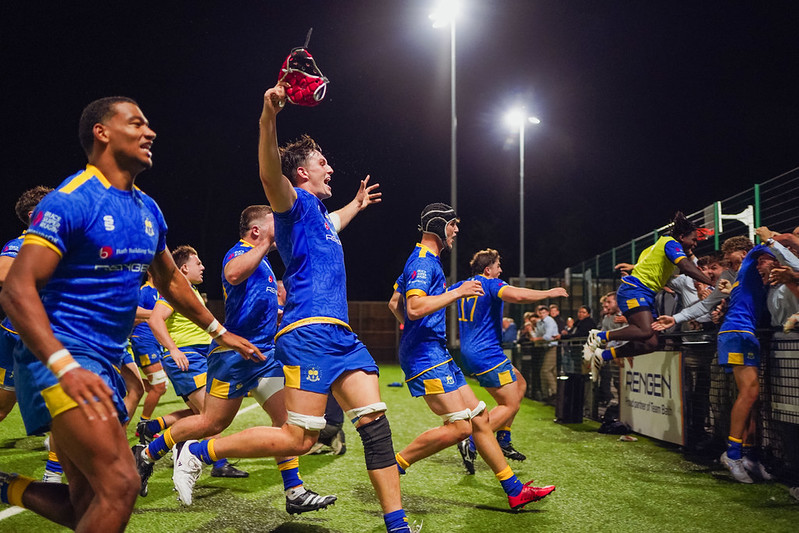
Every spring I speak to graduating NCAA and NAIA athletes who want a master's, aren't ready to stop competing, and have just looked at what two more years of US grad school will cost. For most of them, a one-year master's in the U.K. works out far cheaper.
Why one year changes everything
Almost every US academic master's takes four semesters, so you pay two years of tuition, two years of rent, two years of health insurance and you wait two years to start full-time work.
A UK taught master's (MSc, MA, MRes, LLM) runs from September to September: three terms of modules followed by a summer dissertation. It is a full, internationally recognised master's in half the time.
The cost breakdown
These are indicative ranges comparing a two-year out-of-state or private US programme with a one-year master's at a strong UK sporting university outside London. Converted at roughly £1 = $1.30.
US grad school (two years)
- Tuition: $60,000–$95,000
- Athletic money at graduate level: rare, often $0–$5,000
- Housing and living: $36,000–$48,000
- Health insurance: $5,000–$8,000
- Estimated total: $101,000–$146,000
UK master's (one year)
- Tuition: £16,000–£22,500 (about $21,000–$29,000)
- Sports bursaries or fee reductions: available at many universities, amounts vary
- Housing and living: £11,000–£14,000 (about $14,500–$18,000)
- Immigration Health Surcharge: £776 for a one-year course, giving access to the NHS
- Student visa and flights: roughly $1,800
- Estimated total: $34,000–$45,000
London costs more, and lab-based or business programmes sit at the top of the tuition range. Always confirm current fees with each university.
Where the savings come from
1. Twelve months of rent, not twenty-four
Off-campus rent and groceries in a US college town easily reach $1,500–$2,000 a month. Outside London, UK student living typically runs £900–£1,200 a month, and you only pay it for one year.
2. Sport support goes further
UK universities support performance athletes through sport scholarships and bursaries. Packages vary, but they can include a fee reduction plus strength and conditioning, physio, nutrition support and kit.
3. US federal loans and 529 plans can still apply
Many UK and Australian universities take part in the US Federal Student Aid programme, so eligible US citizens can use Direct Unsubsidized and Grad PLUS loans for tuition and living costs. 529 plans can also be used at eligible overseas institutions. Check each university's federal school code before you apply.
4. A year of earnings back
Finishing in one year means you start work a year earlier. On a $60,000–$75,000 starting salary, that year is worth as much as the tuition itself.
Can you work while you study?
Yes. On a UK Student visa, postgraduate students can usually work up to 20 hours a week in term time and full-time in official vacations. After you graduate, the Graduate route lets you stay and work without a sponsor. It is currently two years, reducing to 18 months for applications from January 2027.
What about Australia?
Australian coursework master's usually take 1.5 to 2 years, so they don't have the same one-year advantage. Tuition commonly sits around AUD 35,000–50,000 a year. Australia's appeal is the lifestyle, the strong university sport scene through UniSport and generous post-study work rights.
What to plan for
- International fees apply, so budget for those rather than domestic UK rates.
- The year is intense: training, Wednesday BUCS fixtures and seminars start in week one.
- Keep some savings for travel. Cheap flights to Europe are hard to resist.
FAQ
Common questions
Continue competing overseas
Build your profile in about a minute. I'll review your academics and your sport, then introduce you to coaches in the U.K. and Australia whose teams fit your level.