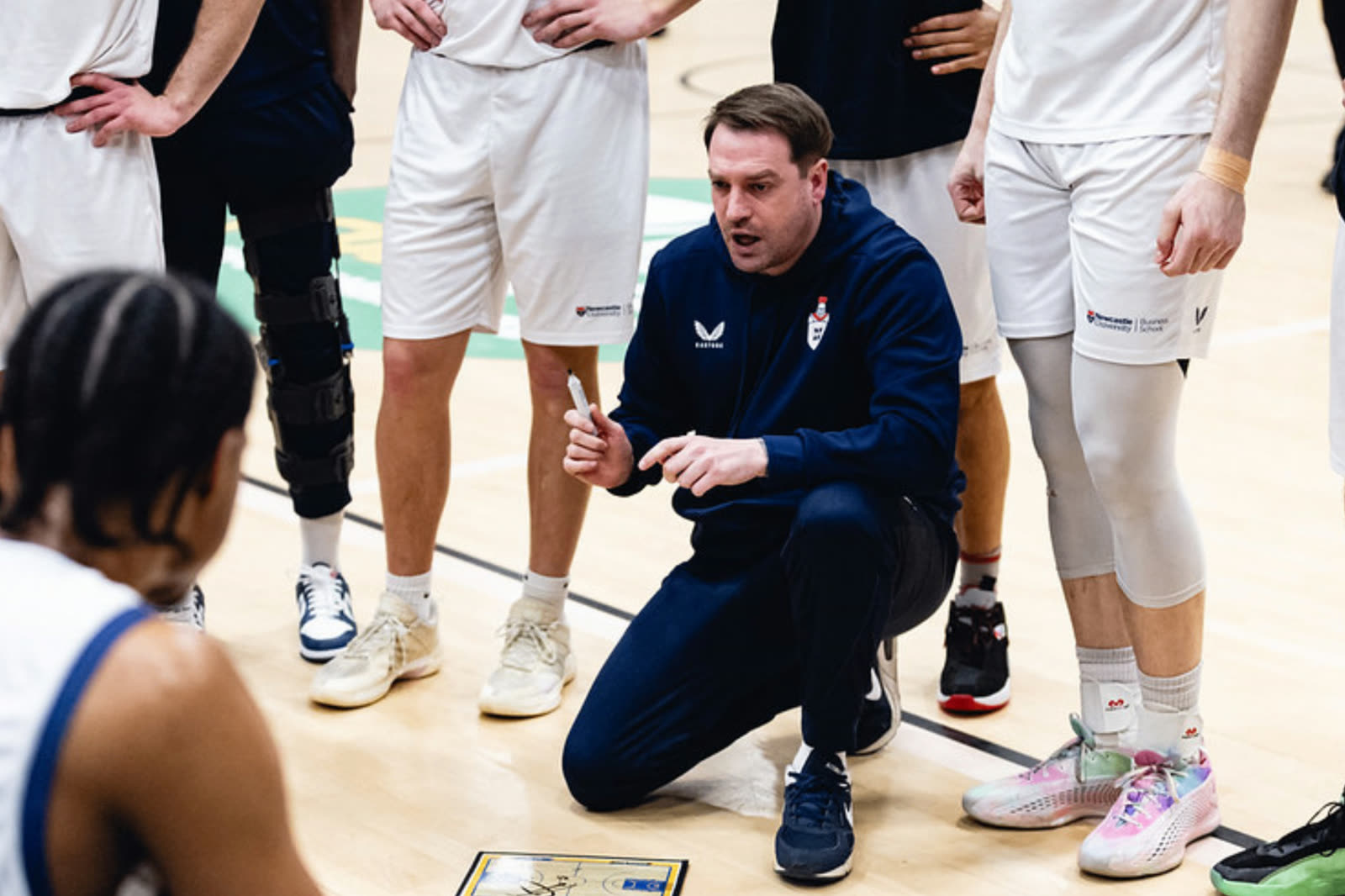

UK university sport combines competitive university teams, student clubs, individual championships and—in some cases—external club competition. BUCS is the main national structure for competitive higher-education sport, but each university decides how its teams, coaching, trials, performance support and scholarships operate.
For an American athlete, the most important point is that UK university sport is not organised like the NCAA. There are excellent competitive opportunities, but the language, calendar, funding and team structures are different.
What is BUCS?
BUCS stands for British Universities and Colleges Sport. It is the national body for competitive higher-education sport in the UK.
BUCS runs:
- University leagues.
- Knockout competitions.
- Individual championships.
- National events.
- Championship finals.
- Pathways to some international university competitions.
Its current competition information describes activity across more than 50 sports, involving universities and teams throughout the country.
BUCS is important, but it is not the whole story. Universities may also compete in:
- Local and regional leagues.
- National governing-body competitions.
- Student club events.
- Friendlies.
- Community-club competitions.
- Semi-professional or development leagues.
How are teams structured?
The structure differs by institution and sport.
A university might have:
- A first team competing at the highest level available to that institution.
- Second, third or additional teams.
- A development squad.
- A recreational club.
- A separate high-performance programme.
- Links with an external club.
“First team” does not automatically indicate a particular national standard. It simply means that university’s leading team.
How are athletes selected?
Selection may involve:
- Pre-arrival conversations with coaches.
- Video and statistics.
- Trials after enrolment.
- Preseason training.
- Performance testing.
- Selection throughout the season.
Some universities recruit actively. Others rely more heavily on beginning-of-year trials. Athletes should establish the process before committing.
Questions to ask
- Is selection confirmed before arrival or decided at trials?
- How many returning athletes play my position?
- Does the university run multiple teams?
- Can team placement change during the season?
- Are postgraduate athletes fully eligible?
- Is external club competition available?
When does university sport take place?
Many BUCS team fixtures are traditionally played during the academic week, often on Wednesdays, although schedules vary by sport. Seasons commonly run across the autumn and spring terms, with championships or finals at particular points in the year.
Do not assume your sport follows the same calendar as in the US. Ask for the current schedule and how it fits around classes, exams and holidays.
How competitive is it?
Competition ranges from beginner participation to high-performance environments.
The standard can vary based on:
- The sport.
- The university.
- The team tier.
- Regional strength.
- Investment in coaching.
- Athlete recruitment.
- External club connections.
- The particular year’s roster.
A useful evaluation combines results with context. League position alone does not reveal the speed of play, daily training environment or your likely role.
What support is available?
Possible support includes:
- Coaching.
- Strength and conditioning.
- Sports science.
- Physiotherapy.
- Performance analysis.
- Nutrition.
- Academic flexibility policies.
- Facility access.
- Lifestyle support.
Not every university offers all of these, and access may differ between scholarship athletes, performance squads and general club members.
How do scholarships work?
UK sporting support is usually institution-specific. There is no universal BUCS scholarship.
A package might provide financial support, services or both. Always distinguish between:
1. A tuition discount. 2. A cash award. 3. Performance services. 4. Accommodation support. 5. Competition expenses.
Use the **Scholarship Evaluation Framework**:
| Area | Question | |---|---| | Tuition | What exact amount is deducted? | | Cash | Is any money paid directly to me? | | Services | Which services are included and what is their value? | | Duration | Is support for one year or the full course? | | Conditions | What academic and sporting standards apply? | | Remaining cost | What will I still pay overall? |
How recruitment differs from the NCAA
UK recruitment may feel less formal.
You may not encounter:
- A National Letter of Intent.
- A standardised athletic scholarship agreement.
- NCAA divisions.
- The same compliance department structure.
- A guaranteed roster system.
A coach conversation is still meaningful, but you should ask precise questions and keep admissions moving separately.
**Athlete Futures Insight:** The most successful athletes treat “coach interest,” “academic admission,” “scholarship confirmation” and “final team selection” as four separate milestones. Do not assume that completing one automatically completes the others.
The Athlete Futures Fit Framework
Score each area from one to five:
| Dimension | What to evaluate | |---|---| | Academic fit | Course content, entry requirements and career relevance | | Sporting fit | Competition, role, training and facilities | | Coach fit | Communication, expectations and development approach | | Financial fit | Total cost after confirmed funding | | Lifestyle fit | Location, accommodation and daily experience | | Future fit | How the degree and experience support your next step |
A famous university or a large headline scholarship can still be the wrong fit if the total package does not match your priorities.
Frequently asked questions
Is BUCS the UK version of the NCAA?
It is the closest broad comparison as a national university-sport structure, but the systems are not equivalent.
Does every university compete in BUCS?
Many institutions do, but participation, teams and sports vary.
Are BUCS athletes paid?
BUCS participation itself is not a salary. Separate scholarships or club arrangements may exist.
Can international postgraduates compete?
Often yes, subject to enrolment, sport-specific rules and eligibility requirements.
Is BUCS competition professional?
BUCS is university competition. Individual athletes may have professional, academy or elite experience, but the competition itself is not automatically professional.
Related reading
- Can American Student-Athletes Play University Sport in the UK?
- NCAA vs BUCS
- How Competitive Is UK University Sport?
- Scholarships for American Student-Athletes in the UK
Create your free recruitment profile
**Ready to explore university sport in the UK or Australia?**
Create your free Athlete Futures Abroad recruitment profile. Add your academic and athletic background, become visible to university coaches and start comparing opportunities that fit your goals.
Start your overseas recruitment journey
Join AFA to create your free recruitment profile, become visible to university coaches, and compare opportunities that fit your goals.