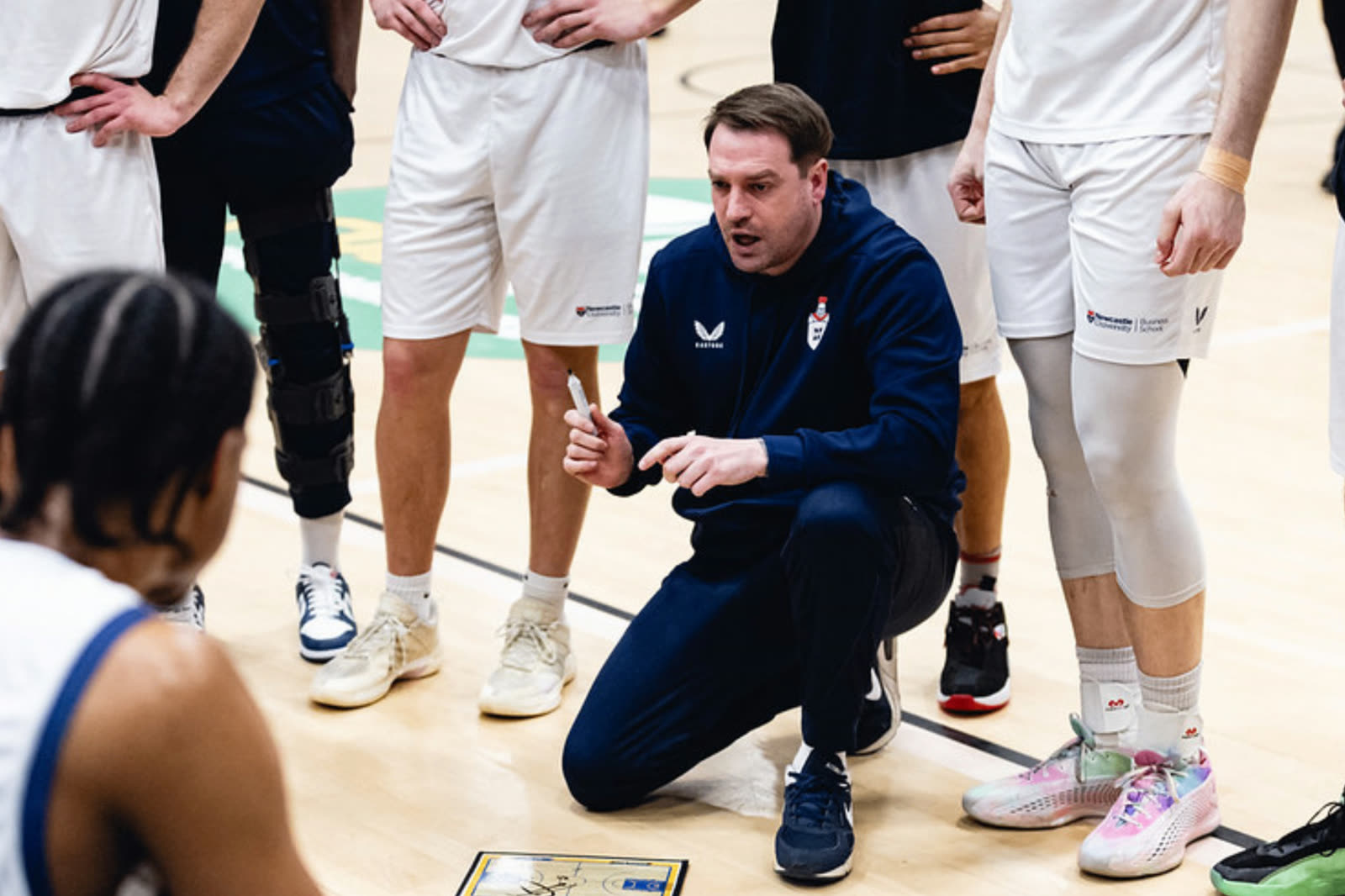
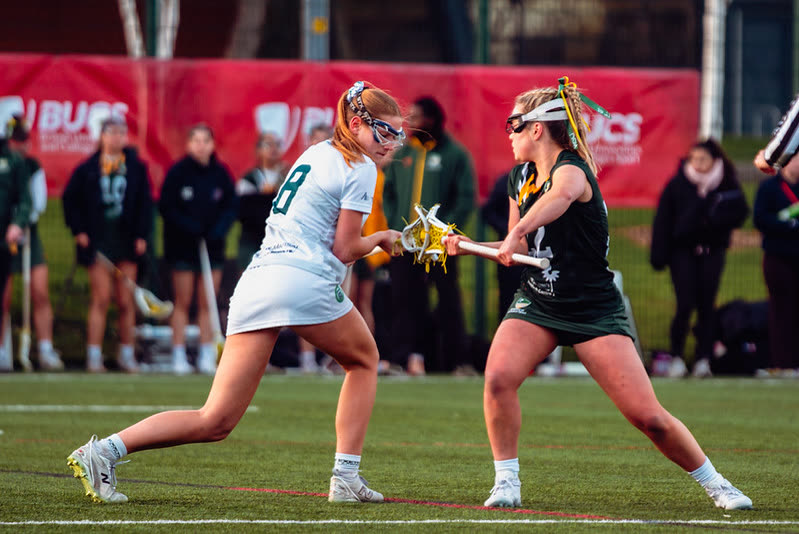
Yes. American student-athletes can generally compete for UK universities when they are registered students, meet BUCS and sport-specific eligibility rules, and are selected by the university team. Nationality alone does not normally prevent an American from playing in standard BUCS university competition.
Who organizes university sport in the UK?
British Universities & Colleges Sport, better known as BUCS, organizes much of the inter-university competition in the UK. Its program includes team leagues, knockout competitions, individual championships and major national events.
BUCS eligibility regulations state that a participant must be a registered student at an eligible member institution and can normally represent only the institution with which they are registered. Universities and athletes must also follow any rules that apply to their particular sport.
Because regulations can change, use the current BUCS individual eligibility rules as the official reference.
Does being American affect eligibility?
For regular university competition, being a US citizen is not generally a barrier. International students compete across British university sport. However, there is an important distinction between representing your university and being selected for a British national student team.
Some international representative competitions have nationality requirements. An American may be eligible to compete for a UK university in BUCS but not eligible to represent Great Britain in an international university event. Treat these as separate questions.
Do postgraduate students compete?
Many do. UK university teams often include master's and doctoral students as well as undergraduates. This makes the UK particularly relevant for athletes who have completed a bachelor's degree in the United States and want to continue competing while earning a graduate qualification.
Eligibility still depends on registration status, course structure and current rules. Before enrolling, ask the university sports department to confirm that your intended program supports BUCS eligibility for the season in which you plan to compete.
Selection is not guaranteed
Being eligible does not automatically earn a roster place. Universities select teams according to their own trials, coaching decisions and performance standards. At leading sports institutions, competition for first-team places can be intense.
Before applying, share recent video, verified statistics, rankings, results and references. Ask the coach where they realistically see you within the squad. A direct answer is more useful than a general statement that you are “welcome to try out.”
Can professional or semi-professional athletes compete?
The UK system is not built around the same amateurism framework historically associated with US college sport. Even so, professional contracts, paid competition, governing-body rules and visa conditions can create complications.
If you have signed a professional agreement, received prize money, worked as a paid athlete or plan to play for a club while studying, disclose this early. Ask the university, BUCS and the relevant national governing body to confirm your position. International students must also ensure that any sporting activity is permitted under their immigration conditions.
Can you play for a university and an outside club?
In many sports, yes. British university athletes often compete for their university and a local club. This can create additional training and competition opportunities, especially in sports where the strongest pathway sits partly outside the university system.
However, schedules, registration rules and eligibility can overlap. Confirm whether your sport requires affiliation with a national governing body and whether the club and university seasons create conflicts. BUCS publishes information about sport-specific affiliations.
How the experience differs from NCAA sport
Competition organizer
- Typical UK approach: BUCS plus sport governing bodies and clubs
- Typical US approach: NCAA, NAIA, NJCAA or other associations
Scholarships
- Typical UK approach: University-specific and often partial
- Typical US approach: Association and division structures influence awards
Admissions
- Typical UK approach: Academic and sports processes may be separate
- Typical US approach: Coach recruitment is often closely linked to admissions
Postgraduate sport
- Typical UK approach: Common across many universities
- Typical US approach: Eligibility can be more restricted by seasons used
External clubs
- Typical UK approach: Often part of the athlete pathway
- Typical US approach: College team is usually the central competitive program
Questions to ask before committing
- Will my specific degree and registration status make me BUCS eligible?
- What team level am I likely to enter?
- Are trials required, and when do they happen?
- Can I train with an outside club?
- Does the university offer a sports scholarship or performance package?
- What happens if I am injured or not selected?
- Are there sport-specific registration or transfer rules?
- Will my visa permit every activity I plan to undertake?
What this means for you
For most American athletes, the answer is not simply “Can I compete?” but “Where will I have the right opportunity to compete?” Eligibility, team selection, degree choice, funding and athlete support all matter. Get written confirmation from the university rather than relying on assumptions based on NCAA rules.
Common myths
Myth: Only British citizens can play BUCS sport. Reality: International students commonly represent their universities, although British representative teams may have nationality rules.
Myth: A university offer guarantees a team place. Reality: Team selection is controlled by the university and may involve trials or performance review.
Myth: NCAA eligibility rules automatically apply in the UK. Reality: BUCS and sport-specific regulations govern UK university competition.
Frequently asked questions
Can an American play BUCS sport?
Generally, yes. An American who is properly registered at a BUCS member university can usually compete, subject to current eligibility and sport-specific rules.
Can graduate students compete in BUCS?
Many postgraduate students compete. Confirm that your course and registration status meet the current rules.
Does a UK university place guarantee a roster spot?
No. Academic admission and team selection are separate at many universities.
Can I play for a local club as well as my university?
Often, yes, but this depends on the sport, registration rules, schedules and your visa conditions.
Can professional athletes compete at university?
Potentially, but paid or professional activity can raise sport-specific and immigration questions. Seek written confirmation.
Can an American represent Great Britain in university sport?
Not automatically. International representative events may have British nationality requirements even when you can represent your university domestically.
Check your UK competition options
Share your sport, playing history and intended degree with Athlete Futures Abroad. We will help you identify universities where you can pursue a realistic competitive pathway.