
Many UK universities do award sports scholarships. They are administered by the sport department, separate from academic admission, and usually combine a partial financial award with performance support.
Which UK universities fund athletes?
Support is not evenly spread. Broadly, three groups fund athletes most consistently:
- Universities with high-performance sport as a strategic priority, competing at the top of the BUCS table across many sports.
- Institutions with a national training centre, elite squad partnership or governing-body relationship in a specific sport.
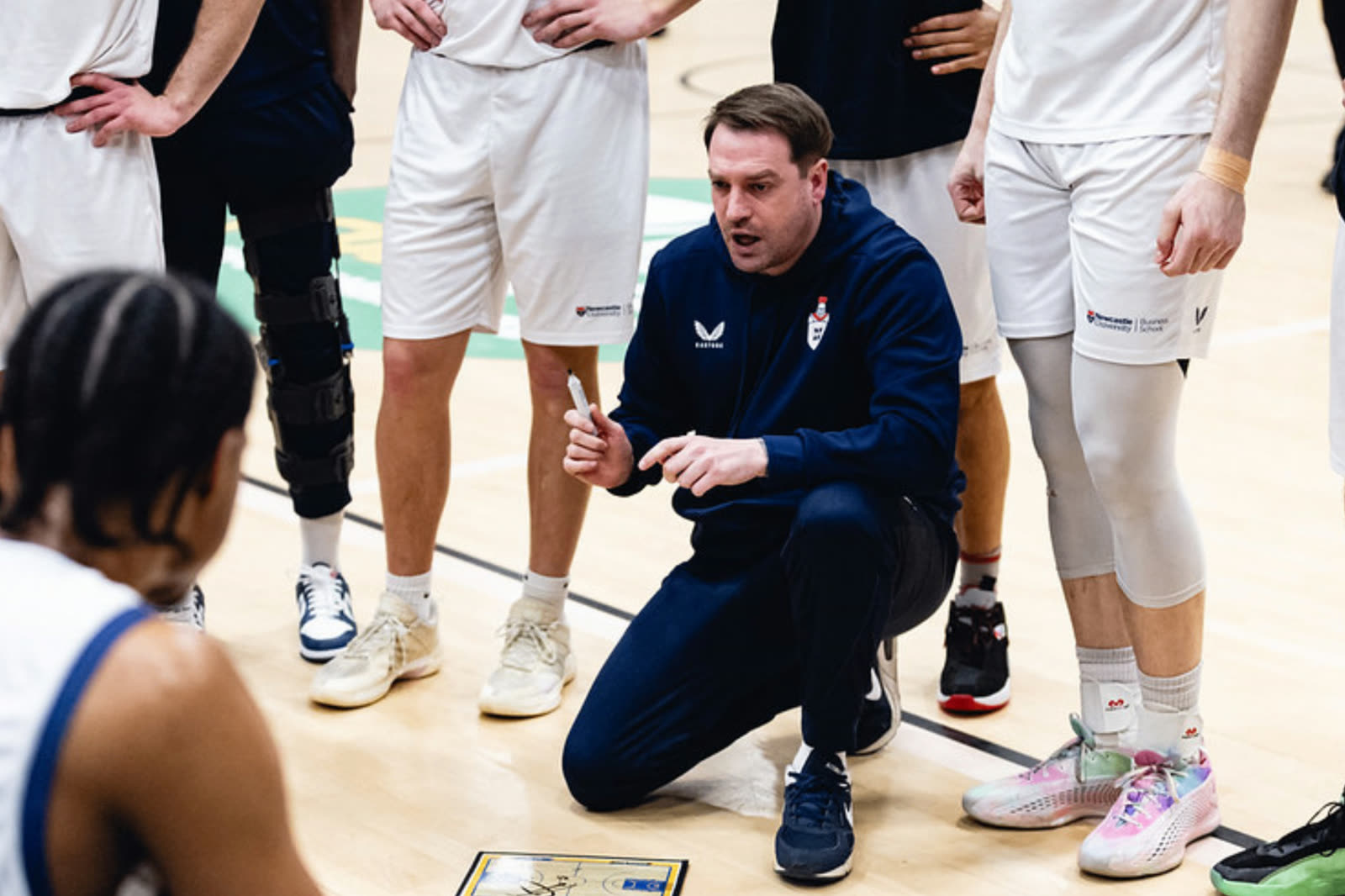
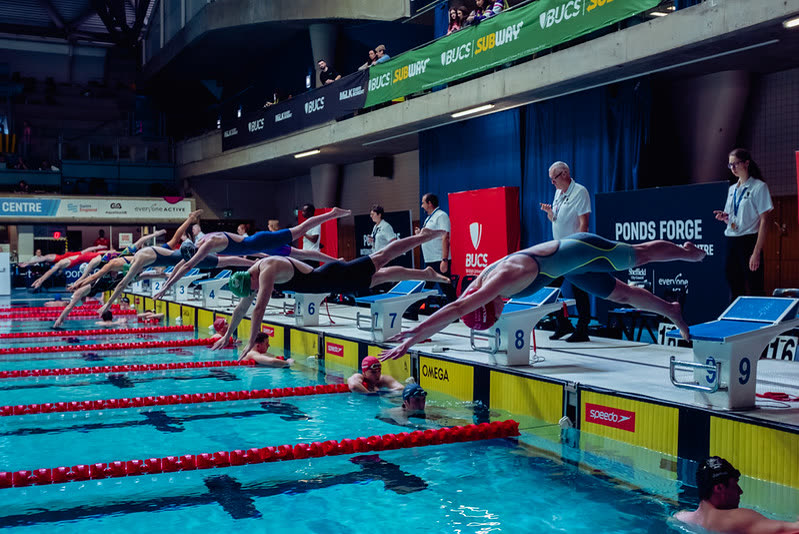
- Universities with strong single-sport programmes - rowing, athletics, rugby, basketball, swimming - where the award follows the squad rather than the whole institution.
Reputation ranking is a poor guide here. A mid-ranked university can offer far better funding and daily training for your event than a famous one. Judge the programme, not the brand.
What the awards typically look like
Most awards are annual, partial and renewable on performance and academic progress. Alongside money you should expect some combination of strength and conditioning, physiotherapy, priority facility access, performance lifestyle support and help with competition travel and kit.
For many athletes that support package is the deciding factor. A smaller cash award attached to daily access to a performance gym, a physio and a coach who competes at your level is usually worth more than a larger cheque with no structure behind it.
How to compare two offers
- Total cost after the award: tuition, accommodation, living costs and visa expenses for the whole course.
- Squad standard: which BUCS division the team is in this season, and where it finished last season.
- Training reality: how many sessions a week, with whom, in what facility, and how the academic timetable protects them.
- Coaching and medical access: who you actually work with weekly, not the department headcount.
- The degree itself: whether the course is one you would still want if you were injured tomorrow.
Timing
Scholarship decisions usually follow academic admission, so applying early matters. Postgraduate courses commonly start in September, with January intakes at some institutions - which gives athletes finishing a US season a realistic route to compete abroad within months rather than a full year later.
Find the programmes that fund your sport
Tell us your sport, results and degree interests. We will match you with UK and Australian universities actively recruiting athletes in your event or position.