
American student-athletes study in the UK because a master's degree takes one year rather than two, remaining NCAA eligibility is not required to compete, total cost is usually lower than a second US degree, BUCS competition is genuinely competitive, and a UK degree carries weight with international employers.
For a growing number of American athletes, the year after senior year is not the end of competitive sport. It is a move abroad. Here are the five reasons that come up most often.
1. A master's degree takes one year, not two
Most taught master's programmes in the UK run for twelve months, including the dissertation period. In the United States the same qualification typically takes two years.
That single fact reshapes the maths. You finish a postgraduate qualification, compete for a full season, and enter the job market a year earlier than a classmate doing the same degree at home - with a year of international experience on your CV.
2. Your NCAA eligibility clock does not apply
BUCS eligibility is based on enrolment at the university, not on how many years you have already competed. An athlete who has exhausted four or five years of NCAA or NAIA eligibility can arrive in the UK as a postgraduate and compete again.
For athletes whose careers were shortened by injury, redshirt years or a pandemic season, this is often the single deciding factor. You should still confirm the current BUCS regulations for your specific sport, since a few sports carry additional rules.
3. The total cost is usually lower
Compare like for like and the difference is significant. A one-year UK master's means one year of tuition and one year of living costs, against two of each in the US.
- Shorter programme: one year of fees instead of two.
- Sports scholarships and performance packages: many universities offer awards, fee reductions or non-cash support such as strength and conditioning, physiotherapy and sports science.
- Living costs outside London: many strong sporting universities sit in cities where rent is far below a comparable US college town.
- No compulsory meal plans or campus housing contracts in most cases.
UK sports scholarships are generally smaller in headline value than a full NCAA ride. The relevant comparison is not scholarship against scholarship, but total cost of the qualification against total cost of the qualification.
4. The sport is genuinely competitive
BUCS - British Universities & Colleges Sport - runs weekly leagues and national championships across around fifty sports, with a promotion and relegation pyramid. The top tier in the major sports produces full internationals and professional athletes.
The rhythm differs from the NCAA. Fixtures are typically midweek, seasons are structured around the academic calendar, and many athletes also compete for a club team alongside their university side - which can mean a higher standard of week-to-week competition than the university league alone suggests.
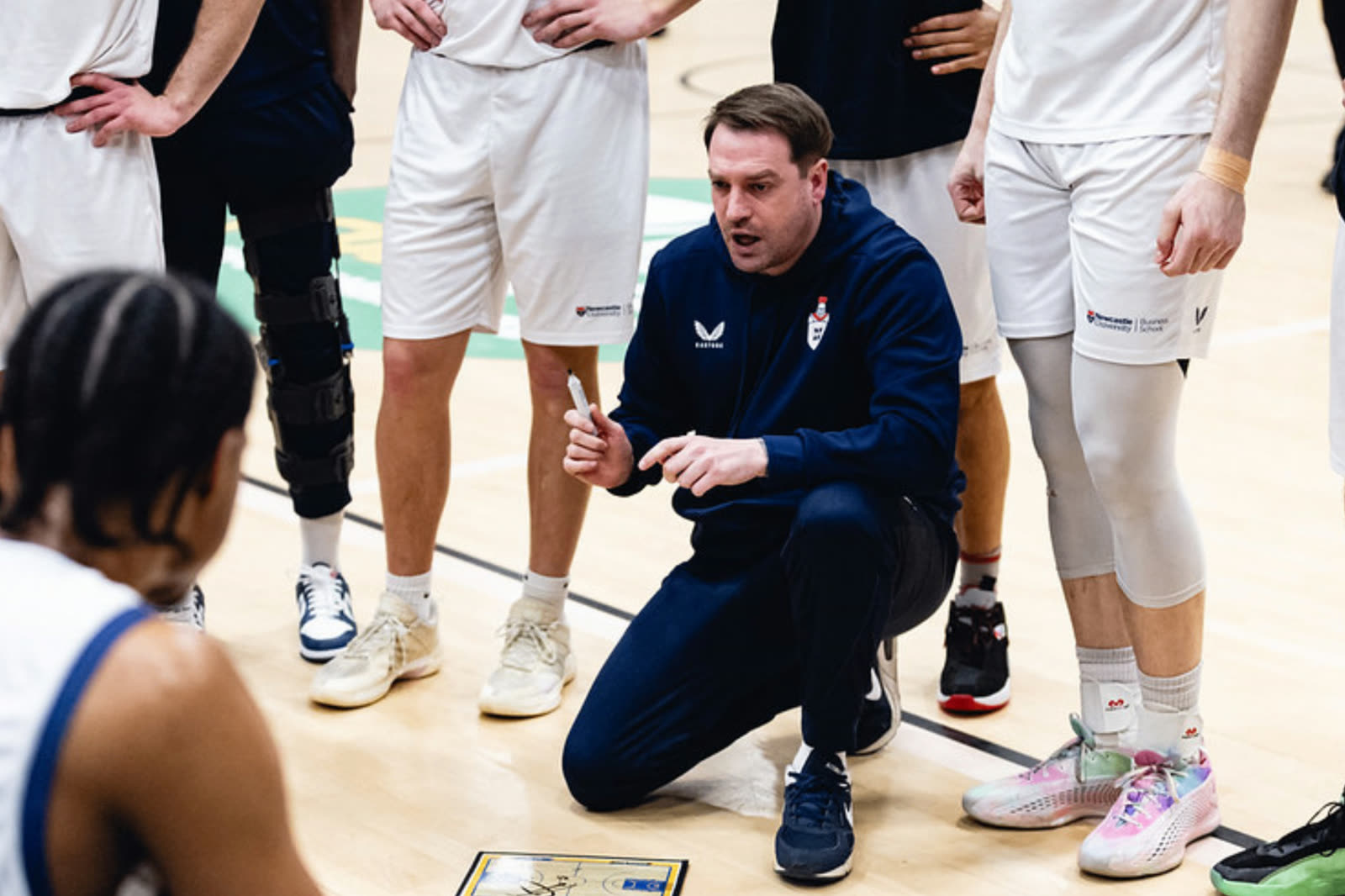
Ask any coach you speak to which BUCS tier the team is in, whether athletes dual-register with a local club, and what the weekly training load looks like. Those three answers tell you the real level.
5. A globally recognised degree and network
UK universities are heavily represented in global rankings, and British qualifications are recognised by employers worldwide. Graduating with an international degree, an overseas competitive season and a network across two continents is a distinct position in a job market full of similar CVs.
The post-study work route also allows eligible graduates to remain in the UK to work for a period after finishing, which gives you the option to convert the year into the start of an international career rather than a single season abroad.
What to weigh against it
It is not the right move for everyone. Facilities and support staffing at a mid-table UK programme will usually be lighter than at a well-funded NCAA Division I school. Athletic scholarship money is smaller. And a one-year degree is intense - the academic and competitive calendars overlap almost entirely.
The athletes who thrive are the ones who chose a specific programme for specific reasons, rather than choosing a country.
FAQs
Can American student-athletes compete at UK universities?
Yes. International students enrolled at a UK university can compete in BUCS competition, including postgraduate students who have already used their NCAA eligibility.
How long is a UK master's degree?
Most taught master's degrees in the UK take twelve months full-time, including the dissertation period. Some research master's degrees run for two years.
Are sports scholarships available in the UK?
Many UK universities offer sports scholarships, though they are generally smaller than NCAA awards and often combine cash support with performance services such as strength and conditioning, physiotherapy and sports science.
Is studying in the UK cheaper than the United States?
For a master's degree it usually is, primarily because the programme takes one year rather than two. Actual cost depends on the university, the city and any scholarship or fee reduction you receive.
When should I start applying?
Begin contacting coaches and researching programmes around nine to twelve months before your intended start date. Most UK postgraduate courses begin in September, with some January intakes available.
See which UK programmes fit you
Create a free profile to compare universities, degrees, scholarships and coaches across the UK and Australia in one place.