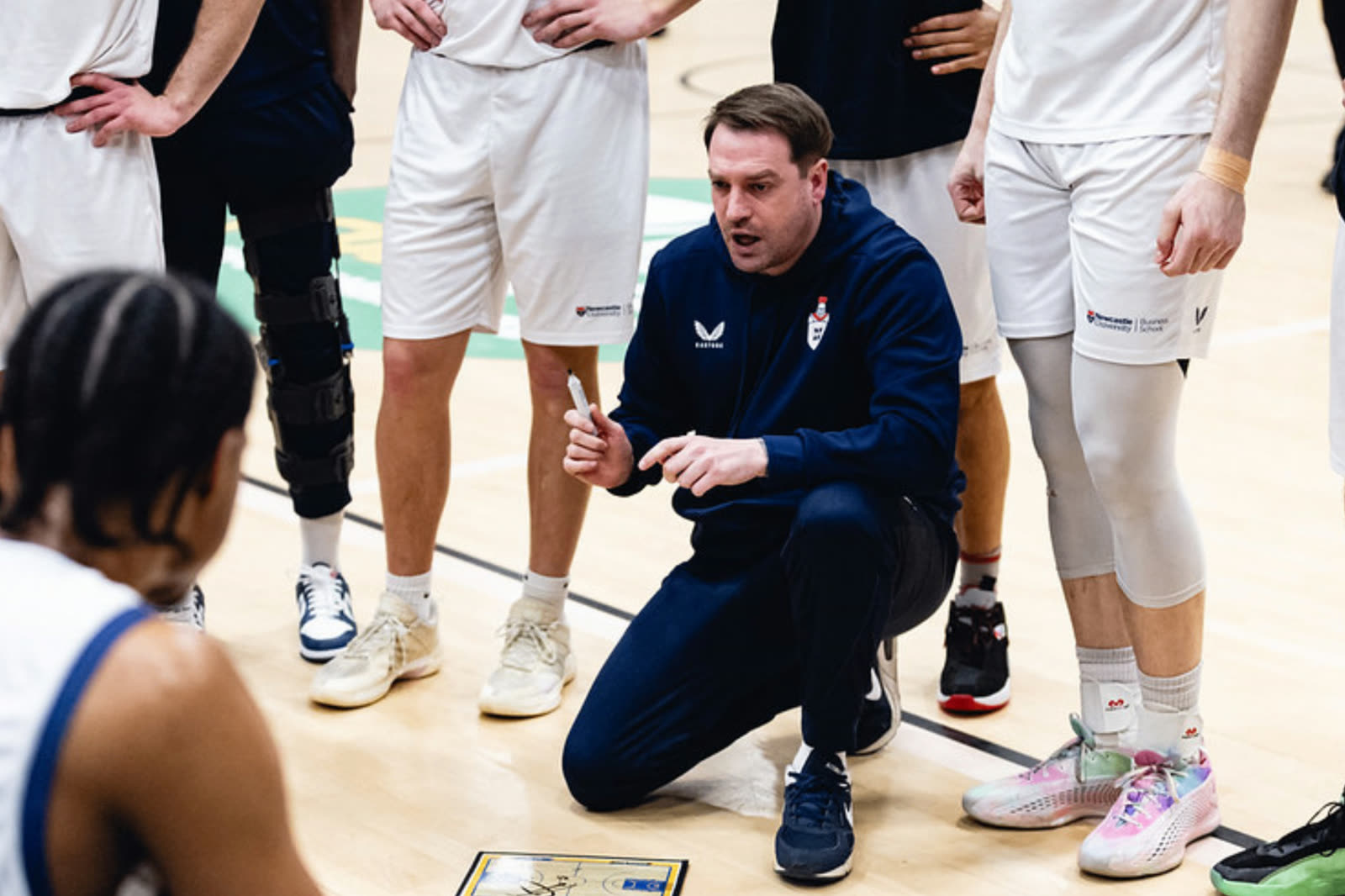
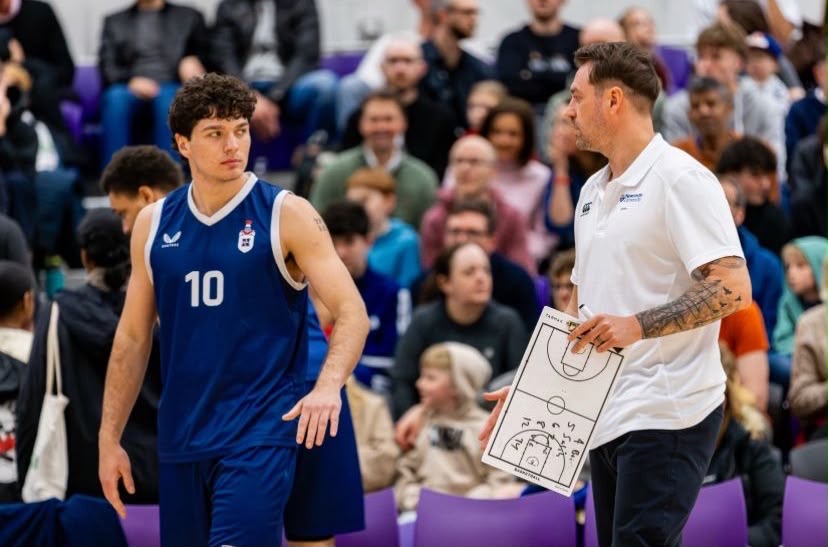
A grad transfer uses a season you still hold inside the NCAA's five-year window. A one-year UK master's does not require any remaining eligibility at all - BUCS eligibility is based on enrolment - and produces a postgraduate degree in twelve months rather than two years.
Almost every graduating college athlete who wants one more season considers the transfer portal first, because it is the option the American system makes visible. It is a good option - if you still have a season and the clock is open. If either of those is false, it is not an option at all, and the second route becomes the only one.
The eligibility question, first
A grad transfer requires two things simultaneously: an unused season of competition, and time remaining in your five-year window. Athletes who redshirted or hold an unused COVID season frequently have both. Athletes who competed straight through for four years usually have neither.
British university sport asks a different question entirely: are you a registered student who meets the competition's registration rules? Postgraduates are eligible. Your NCAA history is not part of the calculation.
Side by side
- Eligibility: grad transfer needs an unused season inside an open clock; a UK master's needs enrolment.
- Duration: a US master's is typically two years; a UK taught master's is one, which is also one year of tuition and one year of rent instead of two.
- Cost: a grad transfer may come with athletic aid and can be close to free; a UK master's carries international tuition, offset by partial scholarships and one year rather than two.
- Standard: NCAA Division I remains the higher standard of competition. BUCS varies by division and by sport, and the top divisions in several sports are genuinely competitive.
- Time commitment: NCAA programmes demand far more hours; BUCS sits alongside a demanding taught degree and leaves room for local club competition too.
- Healthcare: US programmes rely on insurance; a UK Student visa with the Immigration Health Surcharge gives NHS access, injuries included.
- What you finish with: a grad transfer year plus a partially completed master's, or a completed master's plus a competitive season and an international network.
Where the grad transfer wins
If you have a genuine professional ceiling in a sport with an American professional pathway, and the transfer takes you to a programme where you will start and be seen, take it. Nothing overseas replaces Division I exposure for that specific goal.
It also wins on cost when athletic aid covers the year. That is a real financial advantage, and it should be weighed against a year of international tuition, not dismissed.
Where the master's wins
It wins when your eligibility is gone, when you would be a squad player rather than a starter in the portal, or when what you actually want from the next year is a qualification you can use.
It also wins on timeline. Twelve months from enrolment you hold a completed postgraduate degree from a recognised university, having competed for a season. The equivalent American route puts you halfway through a two-year programme with your eligibility spent.
Ask yourself what you want to be holding in eighteen months. If the honest answer is a degree and a season rather than a professional contract, the arithmetic favours the one-year route.
The timeline difference
The portal moves in weeks and is driven by roster needs. UK postgraduate admissions run on a longer, more predictable cycle for a September intake, with applications commonly opening the autumn before and the visa process sitting between your offer and your flight. Australian universities add February and July intakes.
In practice, that means you can pursue both for a period. Apply to the master's programmes on their timeline while the portal plays out, and decide when you have real offers rather than possibilities.
FAQs
What is a graduate transfer?
A graduate transfer is a college athlete who has completed a bachelor's degree and moves to another institution for postgraduate study while using a season of NCAA eligibility they still hold.
Do you need eligibility left to be a grad transfer?
Yes. You need an unused season of competition and time remaining in your five-year eligibility window. Without both, the transfer portal is not available to you.
Can I compete in the UK with no NCAA eligibility left?
Yes. BUCS eligibility is based on being an enrolled student who meets the registration rules, not on seasons already played, so postgraduates with no NCAA eligibility can compete.
How long is a UK master's degree?
Most taught master's degrees in the UK take one year full-time, compared with two years for a typical US master's - one year of tuition and living costs rather than two.
Is BUCS competition as strong as the NCAA?
Division I remains the higher standard overall. The top BUCS divisions are competitive in several sports, and many athletes also play local club competition alongside their university team.
Can I do both - enter the portal and apply overseas?
Yes, and it is usually sensible. Postgraduate admissions run on a longer cycle than the portal, so you can hold both open and decide once you have concrete offers.
See the master's programmes recruiting athletes
Create a free Athlete Futures Abroad profile to compare one-year UK and Australian programmes, funding and coaching contacts in one place.