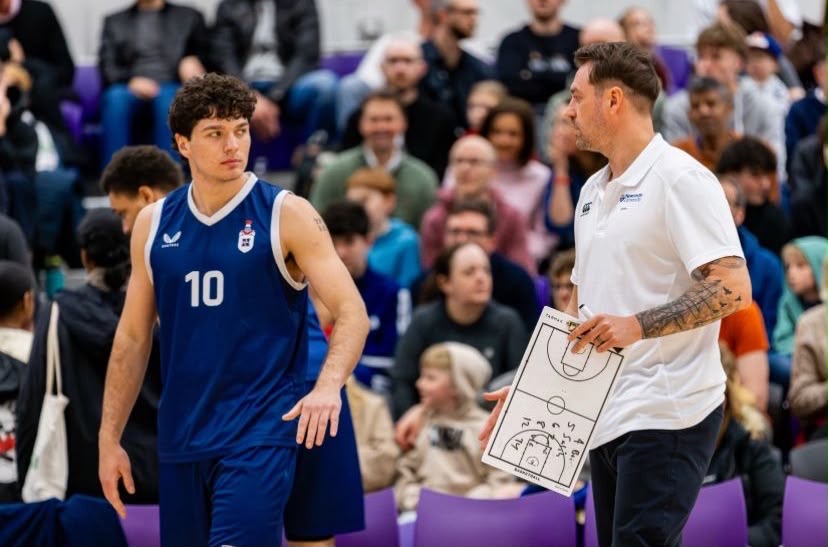

Varsity is a school's top representative team. Junior varsity (JV) is the development level beneath it, usually made up of younger or less experienced athletes playing a shorter, more local schedule. Athletes move up to varsity on merit, not automatically by age.
The basic split
Most American high schools - and some colleges - run two or three tiers in each sport. Varsity is the team that represents the school in league, district and state competition. Junior varsity sits directly below it, and larger schools add a freshman team below that.
The distinction is competitive, not administrative. Both teams wear the school's colours, both are coached by school staff, and both play scheduled fixtures. What differs is standard, exposure and stakes.
Six practical differences
- Standard: varsity carries the school's strongest athletes; JV is a development squad.
- Schedule: varsity plays a full league and post-season schedule; JV plays fewer, more local games and rarely competes for titles.
- Playing time: JV coaches typically rotate the whole roster; varsity coaches play to win.
- Letters: a varsity letter is awarded for meeting participation criteria on the varsity team. JV participation usually earns a certificate or numeral instead.
- Recruiting exposure: college coaches watch varsity film. JV performance matters for progression, not for recruitment.
- Roster movement: strong JV athletes are called up mid-season; varsity athletes are occasionally sent down for game reps.
Is JV only for freshmen and sophomores?
No. Age and grade correlate with the split, but they do not decide it. A talented freshman can start on varsity, and a senior can still be on JV if the depth chart ahead of them is strong. Some schools cap JV at a grade level as a policy choice; that is a local rule, not a national one.
How to get moved up
- Show up to every optional session - call-ups are usually decided in training, not games.
- Be positionally useful: coaches promote athletes who solve a specific gap in the varsity roster.
- Track measurable progress. Times, lifts and shooting percentages make the case for you.
- Ask the varsity coach directly what the gap is and what closing it would look like.
Does the JV/varsity split exist at college level?
Rarely, and not with that vocabulary. In NCAA sport, varsity refers to the governed, scholarship-eligible programme, and the tier beneath it is club sport - which is student-run and outside NCAA jurisdiction. A handful of institutions still field a JV team in sports like basketball or rowing, but it is the exception.
What replaces JV at UK and Australian universities
British universities do not use varsity or JV as team names. They run numbered teams - firsts, seconds, thirds, sometimes fourths - all competing in the BUCS league structure at different tiers, with promotion and relegation between them.
That matters if you are coming from an American system. A second team in BUCS is not a development side that plays a truncated schedule; it plays its own competitive league every week and can be promoted. There is far more genuine competition below the first team than the JV comparison suggests.
Australian universities operate similarly through UniSport, with university teams often feeding into or overlapping with local state league clubs, so athletes below the top squad still get a full competitive season.
If you were a strong JV athlete in the US, a British second team is not a step down - it is a weekly competitive league with a route into the firsts.
FAQs
What is the difference between JV and varsity?
Varsity is a school's top-level representative team, playing the full league and post-season schedule. Junior varsity is the development level below it, with a shorter and more local fixture list and more evenly shared playing time.
What is junior varsity?
Junior varsity is the second tier of school sport in the United States, designed to develop athletes who are not yet ready for varsity competition. It is usually - but not always - made up of younger athletes.
Can a senior play JV?
In most states and school districts, yes, unless local rules restrict JV to particular grades. Eligibility is set by the school or state association rather than nationally.
Do you get a letter for JV?
Usually not a varsity letter. JV athletes typically receive a numeral or participation certificate, with the letter reserved for athletes who meet the varsity participation requirement.
Does JV matter for college recruiting?
Indirectly. College coaches evaluate varsity film and results, so JV is best treated as the route to varsity rather than a recruiting showcase in itself.
Is there JV in UK university sport?
No. UK universities field numbered teams - firsts, seconds, thirds - that each compete in their own BUCS league tier with promotion and relegation, rather than a development squad attached to a first team.
There is no JV overseas - just teams you can actually make
Create a free Athlete Futures Abroad profile to compare university programmes, funding and coaches across the UK and Australia.