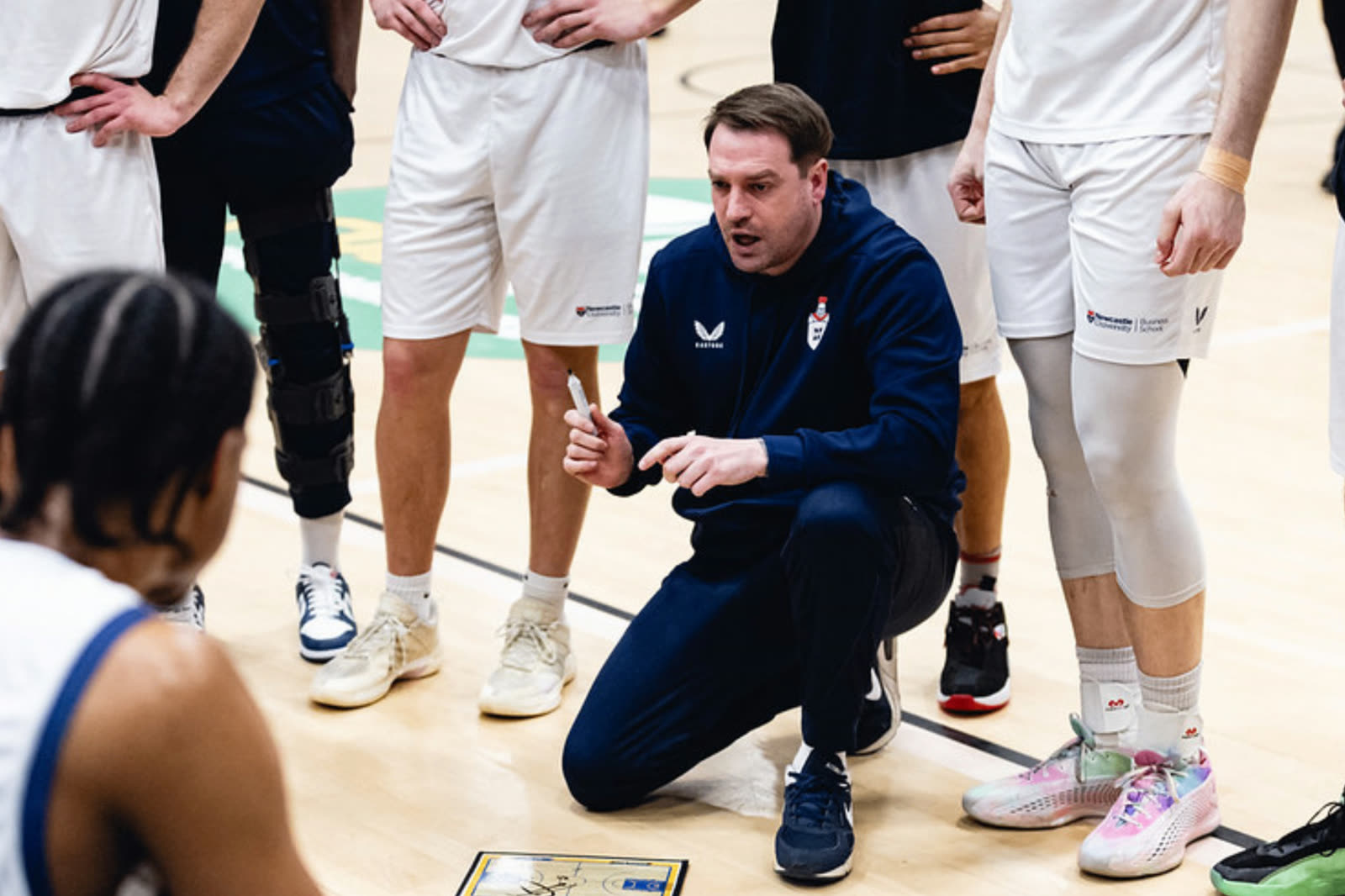

American student-athletes can pursue master's degrees at UK universities and, in many cases, compete in BUCS while studying. Many taught UK master's programs take one year, making them attractive to athletes who want a focused graduate degree and another season of competitive sport.
Why the UK appeals to graduate athletes
Athletes finishing college in the United States often face a difficult choice: step away from competitive sport, pursue professional opportunities or begin graduate school. The UK can provide another option by combining postgraduate study with university competition.
The one-year structure of many taught master's degrees is a major attraction. It can reduce the time spent away from the workforce compared with a two-year US program, although the academic schedule is intensive and total costs still require careful comparison.
Can master's students compete in university sport?
Many postgraduate students represent UK universities in BUCS leagues and championships. Eligibility depends on registration status and current BUCS and sport-specific rules, not simply on whether a student has competed for four years in the United States.
This is one of the most important differences from the NCAA experience. Do not assume that previous college seasons automatically disqualify you, but do not assume eligibility either. Ask the university sports department to confirm your position in writing and review the current BUCS regulations.
How UK master's degrees are structured
UK postgraduate programs include taught master's degrees, research degrees, postgraduate diplomas and professional qualifications. A taught master's commonly combines classes, assessments and an independent dissertation or major project.
The workload is concentrated. A one-year program does not mean a lighter degree; it means that study is compressed into a shorter period. Athletes should ask how training, Wednesday fixtures, travel and championship dates fit around compulsory classes, placements and assessment deadlines.
Popular degree areas for student-athletes
- Sports management and sports business
- Strength and conditioning
- Sports science and human performance
- Sports psychology
- Physiotherapy and rehabilitation-related subjects
- Business, finance and marketing
- Data science and analytics
- Education, coaching and leadership
- Public health and nutrition
Your degree does not have to be sports-related. The better question is whether the program advances your career and can realistically coexist with your training and competition schedule.
How postgraduate applications work
Unlike most undergraduate applications, UK postgraduate applications are commonly submitted directly to each university. Requirements vary but may include academic transcripts, references, a personal statement, resume and evidence that your US degree meets the program's entry standard.
UCAS notes that postgraduate applicants generally apply directly to the provider. It also recommends applying early enough to arrange finances, accommodation, travel and immigration. Review UCAS postgraduate application guidance and the instructions on each university's website.
Building the sports side of your application
The academic application alone may not place you in a performance program. Contact the university's sport or performance team separately and provide:
- A concise athletic resume
- Recent results, statistics or rankings
- Current and previous competition level
- Video where appropriate
- Coach references
- Injury history where relevant to support planning
- Your intended master's program and start date
Ask the coach for an honest assessment of your likely squad level and whether you meet scholarship criteria.
Postgraduate sports scholarships
Some UK universities offer sports scholarships to postgraduate athletes. Awards may include cash, tuition discounts, accommodation support or performance services such as coaching, physiotherapy, strength and conditioning and sports science.
Check whether the scholarship is open to international and postgraduate applicants, whether a separate form is required and whether deadlines fall before the academic application deadline. Scholarship support should be confirmed in writing before you calculate your final budget.
Tuition, living costs and funding
International postgraduate tuition varies significantly by university and subject. Laboratory, clinical and specialist programs may cost more than classroom-based degrees. Living costs also differ sharply between London, major cities and smaller university towns.
Build a full-year budget that includes tuition, housing, food, transportation, visa costs, health-related charges, flights, equipment, club fees and competition travel not covered by the university. Compare the total cost—not only the advertised scholarship value.
Student visa and post-study planning
Most American students entering a full-time UK master's program need a Student visa. The course must meet the applicable requirements, and the university normally issues the sponsorship documentation needed for the application.
Review the current rules on GOV.UK. Students considering work after graduation should also check the latest Graduate visa policy, as conditions and permitted length can change.
A suggested timeline
- 12–15 months before entry: identify degree subjects, universities and realistic sports levels.
- 9–12 months before entry: contact coaches and performance staff; prepare academic documents.
- 6–9 months before entry: submit academic and scholarship applications.
- 3–6 months before entry: confirm funding, housing and visa documentation.
- Before arrival: agree preseason dates, medical requirements and the first training schedule.
What to compare
Is the degree one year or longer?
- Sports questions: Can postgraduate students compete?
Are classes, labs or placements compulsory?
- Sports questions: What BUCS level does the team play?
How is the degree assessed?
- Sports questions: What is my realistic squad position?
What is the total international tuition?
- Sports questions: What does the scholarship include?
Does the course support my career plan?
- Sports questions: Can I also join an outside club?
What this means for you
A UK master's can be a valuable bridge between US college sport and your next career or athletic step. The right program should make sense even without the sports opportunity, and the sports environment should be strong enough to justify the move. Treat both sides as essential rather than allowing one to compensate for a poor fit on the other.
Common myths
Myth: A one-year master's is easier. Reality: The material is usually compressed into an intensive schedule.
Myth: Four NCAA seasons mean you cannot compete in the UK. Reality: BUCS uses its own eligibility rules, although individual circumstances must be checked.
Myth: Every postgraduate athlete receives funding. Reality: Scholarships are competitive and vary widely by institution.
Frequently asked questions
Can American graduate students compete in BUCS?
Many can. Eligibility depends on current BUCS rules, registration status and any sport-specific requirements.
How long is a master's degree in the UK?
Many taught master's programs are completed in one year, although some programs are longer.
Do postgraduate athletes receive sports scholarships?
Some universities offer postgraduate sports scholarships, but eligibility, value and included services vary.
Do I apply through UCAS for a UK master's?
Postgraduate applications are commonly made directly to the university, although applicants should follow the instructions for each course.
Can I study a non-sports subject and still compete?
Yes. Athletes can study many different subjects as long as they meet academic entry and sports eligibility requirements.
Can I stay in the UK after my master's?
You may qualify for a post-study immigration route, but policies change. Check the current Graduate visa rules on GOV.UK.
Combine your master's with competitive sport
Athlete Futures Abroad can help you compare one-year degrees, BUCS teams, scholarship packages and the practical realities of training during postgraduate study.