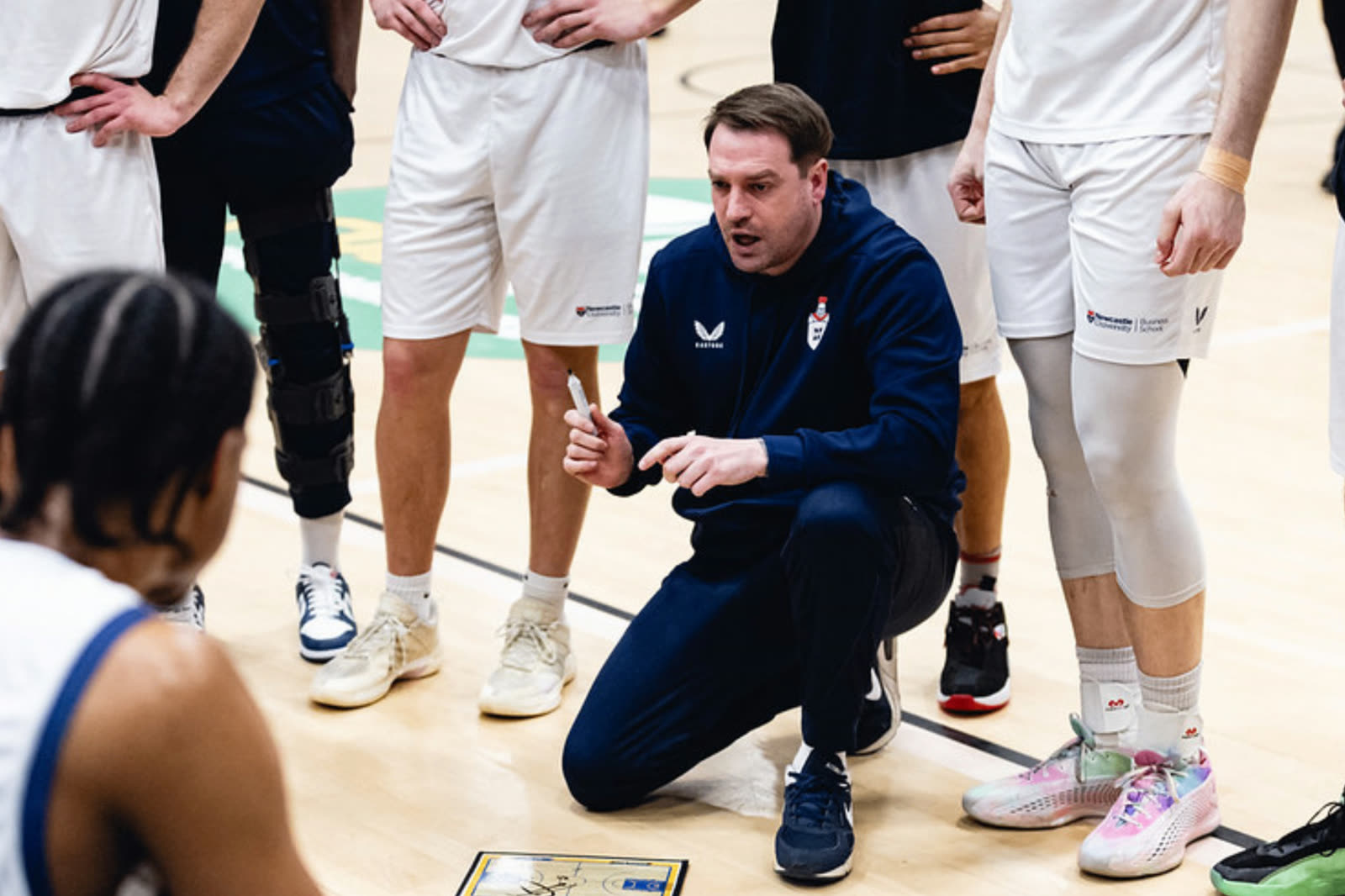
American student-athletes can study at UK universities and compete for their university, usually through British Universities & Colleges Sport (BUCS). The experience is different from the NCAA: academic admission and sports recruitment are often handled separately, scholarship packages vary widely, and many athletes can continue competing during both bachelor's and master's degrees.
Why American athletes consider the UK
The UK can be a strong option for athletes who want to continue competing without limiting their academic choices. British universities offer bachelor's degrees, one-year master's programs, university teams, performance centers, strength and conditioning, sports science support and, at selected institutions, sports scholarships.
For many American students, the main attraction is flexibility. You can choose a degree based on your academic goals, then assess the university's sports environment separately. Some universities operate highly developed performance programs, while others are better suited to athletes who want competitive sport alongside a less intensive schedule.
How UK university sport works
Most inter-university competition is organized through BUCS. Universities enter teams and individuals into leagues, championships and national events across a wide range of sports. Students normally represent the university at which they are registered, subject to BUCS and sport-specific rules.
BUCS is not a direct copy of the NCAA. There is no single national athletic scholarship system, and universities differ substantially in coaching, facilities, competition level and athlete support. In some sports, athletes also compete for local clubs or national governing body programs outside the university structure.
Can international students compete?
In general, international students can represent their UK university in BUCS competition when they are registered students and meet the relevant eligibility requirements. Certain events, representative teams and individual sports may have additional rules, so athletes should confirm eligibility with the university and check the current BUCS regulations before committing.
Official eligibility information is available from BUCS.
Degrees and academic structure
A bachelor's degree in England, Wales and Northern Ireland is commonly completed in three years, while many Scottish bachelor's degrees take four years. UK degrees are usually more specialized from the beginning than US college programs, so students apply to a specific subject rather than completing a broad general-education curriculum first.
Many taught master's degrees can be completed in one year. This can be especially attractive to athletes who have finished a US bachelor's degree but want another season of competitive sport alongside graduate study.
Sports scholarships and athlete support
UK sports scholarships are set by individual universities. A package might include a cash award, reduced fees, accommodation support, coaching, strength and conditioning, physiotherapy, sports medicine, nutrition, performance analysis or access to specialist facilities.
Do not assume that the word “scholarship” means a full tuition award. Some of the most valuable programs provide extensive performance services but limited direct funding. Always ask for a written breakdown of what is included, whether support is renewable and what performance standards you must maintain.
How to apply from the United States
- Choose your academic program. Check entry requirements for your high school, college or bachelor's qualifications.
- Identify suitable sports programs. Compare coaching, team level, facilities, training volume and scholarship criteria.
- Prepare an athlete profile. Include results, statistics, rankings, video, references and your competition history.
- Contact the university. Academic admissions and sports staff may run separate processes, so communicate with both.
- Submit your application. Undergraduate applications often use UCAS; postgraduate applications are commonly made directly to the university.
- Plan funding and immigration. Review tuition, living costs, scholarship terms and current Student visa rules.
UCAS provides guidance for international undergraduate applicants. Postgraduate applicants often apply directly to the provider.
Visa and work considerations
Most American students studying a full degree in the UK will need a Student visa. Visa conditions can affect employment and professional sporting activity, so athletes must check the current rules rather than relying on advice from previous seasons.
Use the official UK Student visa guidance for current requirements. If you hope to stay in the UK after graduating, review the latest Graduate visa rules as part of your planning.
What to compare before choosing a university
- The level of the first team and realistic pathway into it
- Whether the coach has reviewed your current performance level
- Training times and how they fit around your degree
- Scholarship value and renewal conditions
- Strength and conditioning, medical and rehabilitation support
- Competition schedule and travel expectations
- Academic entry requirements and total cost
- Housing, location and access to external clubs
What this means for you
The UK can work particularly well for athletes who want a specialized degree, a one-year master's, a different sporting environment or a route to continue competing after US college. The best choice is not automatically the university with the biggest sports reputation. It is the institution where your academic program, playing opportunity, support package and budget fit together.
Common myths
Myth: UK university sport is only recreational. Reality: Standards vary, but leading programs support national-team, professional and Olympic-level athletes.
Myth: Every sports scholarship covers tuition. Reality: Awards range from service packages to partial financial support, and full awards are uncommon.
Myth: You apply exactly as you would to an NCAA program. Reality: Academic admissions and sports recruitment may be separate, so you need to manage both processes.
Frequently asked questions
Can American student-athletes play for UK universities?
Generally, yes. Registered international students can usually represent their university in BUCS competition, subject to current BUCS and sport-specific eligibility rules.
Do UK universities offer athletic scholarships?
Many do, but the value and format vary. Support may include funding, coaching, facilities, physiotherapy, strength and conditioning or accommodation assistance.
Is BUCS the same as the NCAA?
No. BUCS organizes university competition, but the UK does not use the same centralized scholarship and eligibility model as the NCAA.
How long is a UK bachelor's degree?
Many bachelor's degrees take three years in England, Wales and Northern Ireland. Scottish undergraduate degrees commonly take four years.
Can I complete a master's degree and compete?
Often, yes. Many postgraduate students compete for their universities, provided they meet current eligibility rules and are selected for the team.
Do American students need a visa to study in the UK?
Most Americans studying a full degree need a UK Student visa. Always check the current requirements on GOV.UK.
Build your UK athlete pathway
Tell Athlete Futures Abroad about your sport, academic goals and budget. We will help you identify UK university options where the degree and performance environment fit together.