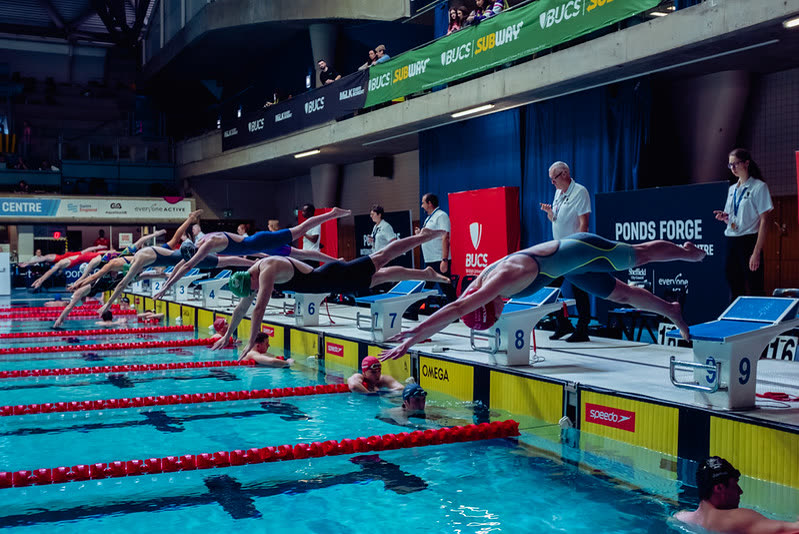
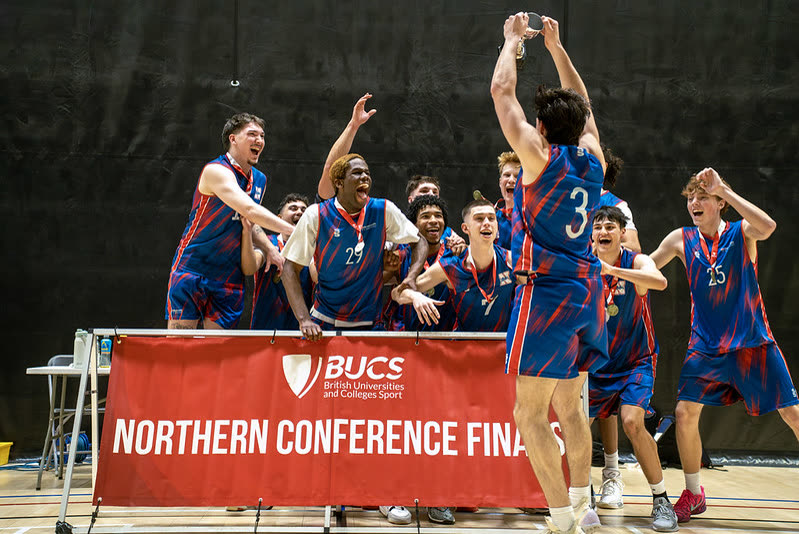
In the United States, varsity is the top tier of school or college sport. In the United Kingdom, university athletes typically compete in two separate systems: BUCS - the inter-university league - and external club sport run by national governing bodies. The same athlete can sometimes do both, but the standard, schedule, eligibility and recruitment process are very different.
What does varsity mean in the US?
For American athletes, varsity is the main event. It is the school's top representative team in a given sport, governed by the NCAA, NAIA, NJCAA or a high school state association. Varsity athletes wear the school colours, compete for conference and national honours, and receive the highest level of coaching, travel and support the institution offers.
- One institution, one top team: the school fields its best squad under one name and one set of colours.
- Clear divisional structure: NCAA Division I, II and III, NAIA, junior college or high school classifications define the level.
- Athletic aid is possible: scholarships, grants-in-aid and support packages vary by division and sport.
- Eligibility is time-limited: NCAA rules, the new age-based Division I model and division-specific requirements all govern how long you can compete.
When American athletes say they want to play overseas, they are often looking for the equivalent of another varsity season. The UK does not replicate that structure exactly, but it does offer two distinct pathways that together can create a similar - and sometimes better - competitive experience.
What is club sport in the UK?
British sport is not organised through schools in the same way. Most athletes grow up in community clubs affiliated to national governing bodies - England Athletics, England Hockey, the Rugby Football Union, British Rowing, England Netball and so on. These clubs are independent of universities and run their own leagues, cups and junior-to-senior pathways.
When a student arrives at a UK university, they do not automatically leave their club behind. Many athletes continue training and competing with their home club, or switch to a local club near their university. In some sports, the club system is the primary route to elite competition, while the university league is a secondary or development setting.
- Independent clubs: run by volunteers, local councils or regional bodies, often with decades of history.
- National leagues: many sports run adult league pyramids that are not connected to universities at all.
- Higher standard in some sports: in rowing, athletics, swimming, rugby and hockey, the strongest clubs often exceed the university level.
- Year-round calendar: clubs usually run through the summer, giving athletes a longer competitive season than BUCS alone.
Where does BUCS fit in?
BUCS - British Universities & Colleges Sport - is the closest equivalent to American varsity. It runs the inter-university league and championship structure in around 50 sports. A university's first team in a sport is the rough equivalent of a varsity squad, but it sits alongside external club competition rather than replacing it.
The key difference is that BUCS is a competition framework, not a closed school system. Universities enter teams, students play for those teams while enrolled, and many athletes also compete for external clubs. The two systems overlap in the same athlete's calendar.
- BUCS first team: the university's top squad in that sport, roughly equivalent to a varsity team.
- Second and third teams: development squads comparable to JV or freshman teams in depth.
- Promotion and relegation: BUCS divisions move with results, not with the institution's size.
- Wednesday fixtures: the traditional competition day, so academics and sport are usually scheduled around each other.
Varsity vs club sports: the real comparison
The cleanest way to think about it is by comparing what each system offers an athlete, not by asking which country has the better version of college sport.
Structure
- US varsity: single-school identity, one top team, clear divisional label.
- UK BUCS: university team within a national league, multiple squads, moving divisions.
- UK club: independent organisation, separate league pyramid, often continuous from youth to senior level.
Standard
- US varsity: division is a strong indicator of level, though sport and conference vary.
- UK BUCS: depends on the team's current division and recent results; university reputation is not a reliable guide.
- UK club: can be anything from social to semi-professional; governing-body league position is the best indicator.
Schedule
- US varsity: typically a defined season with pre-season, conference play and championships.
- UK BUCS: follows the academic year, with Wednesday fixtures and knockout finals.
- UK club: often runs year-round or across a longer season, sometimes overlapping with BUCS.
Eligibility
- US varsity: governed by NCAA, NAIA or NJCAA rules, including time limits, amateurism and transfer rules.
- UK BUCS: based on being a registered student, with course-level, age and governing-body conditions.
- UK club: usually governed by the sport's national governing body; student status is not always required.
Support
- US varsity: athletic scholarships, academic support, strength and conditioning, medical staff and travel are often built in.
- UK BUCS: varies widely; some universities offer performance programmes and scholarships, others are student-led.
- UK club: athletes usually pay membership and competition fees; support depends on club resources.
Can you do both BUCS and club sport?
Often, yes. In many sports it is common for a student to represent their university on a Wednesday and their club at the weekend. This is one of the biggest differences from the American model, where outside competition during the season is tightly restricted.
Permission is not automatic. BUCS Regulation 4 requires athletes to have permission from the relevant international or national governing body when they compete in BUCS alongside other competitions. Some sports have their own rules about dual registration, insurance, or representative honours. If you are considering both, confirm the position with the university coach and the governing body before committing.
Which pathway is right for you?
There is no single right answer. The best choice depends on your sport, your level, your degree and what you want from the experience.
- Choose BUCS if you want a university identity, a schedule built around academics, and a clear team environment similar to varsity sport.
- Choose club sport if your sport's highest standard sits outside the university system, or if you want a longer, more traditional competitive calendar.
- Do both if the sport allows it, your timetable can handle it, and the governing body permits dual registration.
For postgraduate students coming from the US, the practical question is usually: what does a one-year master's allow? A taught master's in the UK runs from September to September, with dissertation work in the summer. That fits a BUCS season cleanly, but it can also leave room for club competition before and after the university term.
The best UK setup is not always the university with the biggest sports reputation. It is the university where your degree, your BUCS team, and the local club scene all line up for your specific year abroad.
How to research a UK programme
When you contact a UK university or club, ask the questions that reveal the actual standard and schedule rather than the marketing story.
- Which BUCS division and conference does the first team currently play in?
- What was the team's finishing position last season?
- How many training sessions are there per week, and who runs them?
- Are athletes supported to compete for an external club as well?
- What does the sports scholarship or performance package actually include?
- What are the local club options, and what level do they compete at?
The answers will vary by sport and by city. A university in a small town may have one strong BUCS team and limited club options; a university in a major city may have a mid-table BUCS team but access to elite club training and competition.
FAQs
Is BUCS the same as varsity?
A university's top BUCS team is the closest equivalent to an American varsity team, but the structure is different. BUCS is a national league system, not a school-based athletics association, and the same athlete can also compete for an external club.
What is the difference between varsity and club sports in the UK?
In the UK, university sport through BUCS is the equivalent of varsity. Club sport is run by independent organisations outside the university, often with their own leagues and standards. Some athletes do both.
Can US athletes play club sport in the UK?
Yes. US athletes can join local clubs while studying in the UK, subject to visa restrictions, governing-body rules and the club's own registration requirements. In some sports this is the best way to access high-level competition.
Does club sport affect NCAA eligibility?
If you plan to return to NCAA competition, any post-high school competition - including club or university sport abroad - can affect eligibility. Check with the NCAA Eligibility Center and your compliance office before you compete.
Are UK sports scholarships for BUCS or club sport?
University sports scholarships are tied to BUCS or university performance programmes. External clubs do not usually offer scholarships, though they may have subsidised fees or performance pathways.
Which has better competition, BUCS or club sport?
It depends on the sport. In rowing, swimming, athletics, rugby, hockey and some others, the top clubs are often stronger than the top BUCS teams. In basketball, volleyball, American football and other university-focused sports, BUCS may be the main competitive arena.
Compare UK university and club opportunities
Create a free Athlete Futures Abroad profile to see which UK universities and clubs match your sport, degree and competitive background.