
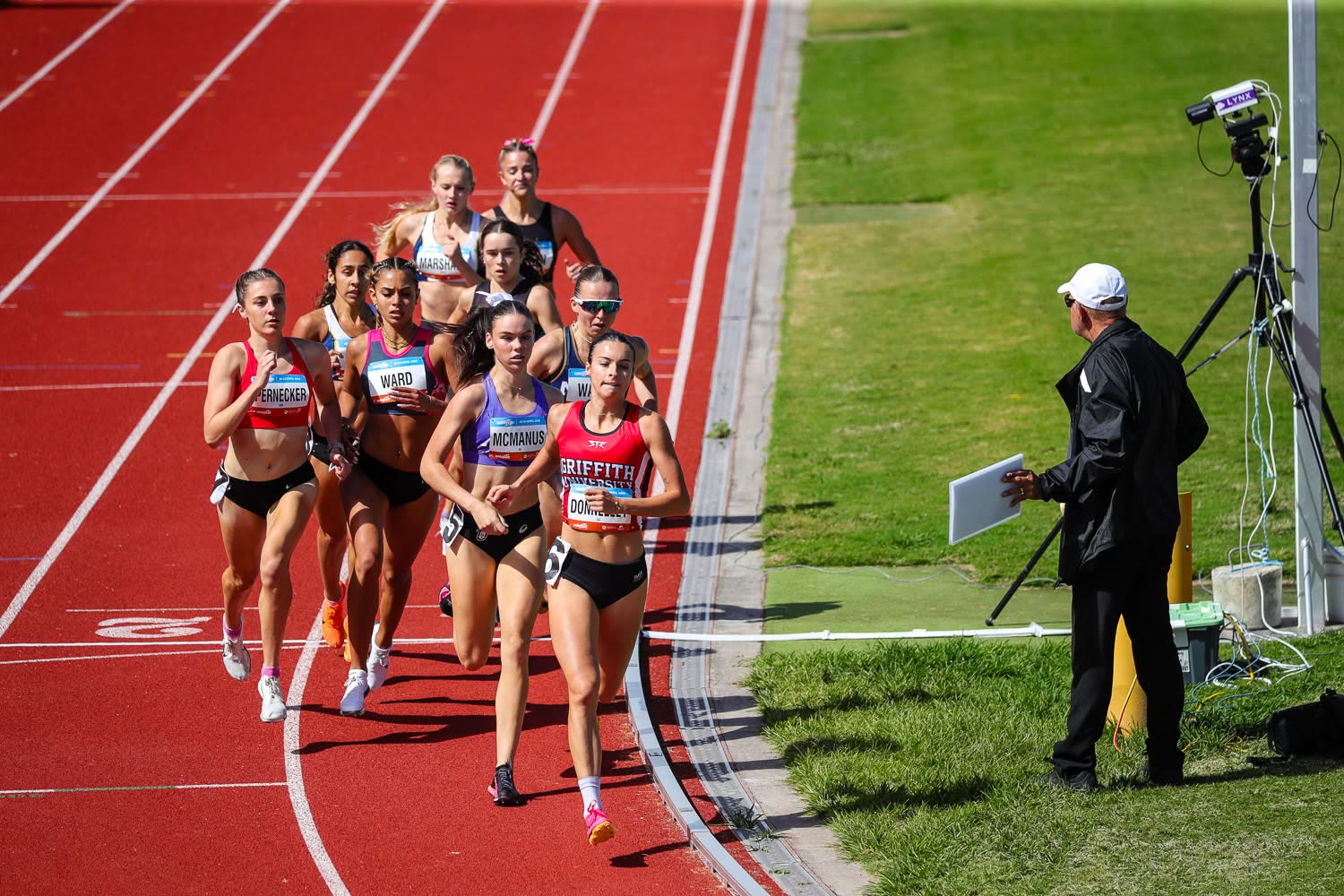
A US graduate assistantship funds a two-year master's in exchange for 10-20 working hours a week, but gives you no eligibility if your NCAA clock has run out. A UK taught master's takes twelve months - Australian master's programmes typically run two years - and either can carry a sports scholarship, and lets you compete because university sport there counts enrolment rather than seasons used.
Most graduating athletes hear about assistantships first, because that is how American graduate funding works. Fewer hear that a comparable amount of money buys a shorter degree overseas with a playing place attached. Both are real options; they simply optimise for different things.
The comparison, line by line
- Duration: US assistantship, typically two academic years. Overseas taught master's, twelve months, often September to September.
- Funding: assistantship pays a tuition waiver plus a stipend of roughly $10,000-$20,000. Overseas, funding usually arrives as a fee discount or sports scholarship rather than a wage.
- Work obligation: 10-20 hours a week, contracted. Overseas, none - though student visas normally permit around 20 hours of paid work a week.
- Competition: an assistantship gives you none unless you have eligibility left. In the UK and Australia, being enrolled is what makes you selectable.
- Total living cost: two years of US living expenses versus one year abroad. The second year is the hidden number in this comparison.
- Qualification: both produce a recognised master's degree. US degrees are typically longer and more credit-heavy; UK and Australian taught master's degrees are intensive twelve-month programmes.
When the assistantship wins
- You want a career inside US collegiate athletics. A GA role is the standard entry point, and the network you build is the point of it.
- Your field requires a specific US-accredited qualification or licensure - athletic training, some health professions, certain teaching routes.
- You have eligibility remaining at that institution and can compete while holding the role.
- You need income rather than a fee discount, and the stipend genuinely covers your cost of living locally.
When the year abroad wins
- You still want to compete. This is the decisive one. UK BUCS and Australian UniSport competition is open to enrolled students; your used NCAA seasons are irrelevant.
- You want to be finished in twelve months rather than twenty-four, and to start earning a year earlier.
- You want the degree without a 20-hour weekly work obligation on top of training.
- You want an internationally recognised qualification and time overseas on the CV.
Compare total cost of the whole route, not the sticker price of one year. Two funded US years with living costs can end up more expensive than one part-funded year abroad.
Run the arithmetic honestly
For each option, write down four numbers: total tuition after any waiver or scholarship, total living costs for the full duration, any income you receive, and the months until you are earning full time. The route that looks generous on the stipend line often loses on the duration line.
- Assistantship: unwaived student fees, health insurance, and 24 months of rent are the numbers people forget.
- Overseas: visa fee and health surcharge, flights, and the fact that funding is a discount rather than a wage.
- Both: whether the qualification is actually required for the job you want, or just adjacent to it.
Frequently asked questions
Is a graduate assistantship better than a master's abroad?
It is better if you want a career inside US collegiate athletics or need a US-accredited qualification. A UK master's abroad is better if you want to finish in twelve months and keep competing (Australian master's programmes typically run two years), because eligibility rules do not apply to UK or Australian university sport in the same way.
Can I still compete on a graduate assistantship?
Only if you have NCAA eligibility remaining. An assistantship is a staff position and does not restore seasons. Athletes who have exhausted eligibility work in the department instead of competing for it.
Do UK universities offer graduate assistantships?
Not in the American sense. UK funding for postgraduate athletes usually comes as a sports scholarship, fee discount or performance-programme place, sometimes with coaching or ambassadorial duties attached, but rarely as a salaried assistantship.
How much does a one-year master's abroad cost?
Costs vary by country, university and course, and sports scholarships reduce them further. The useful comparison is total cost across the whole route: one year of fees and living costs abroad against two years of US living costs on a stipend.
Will a UK or Australian master's be recognised by US employers?
Master's degrees from established UK and Australian universities are widely recognised internationally. For licensed professions, confirm the accreditation requirements in your state before committing to any route.
See what a funded year overseas looks like
UK and Australian universities recruit graduating US athletes every year, and enrolment - not eligibility - decides whether you can compete. Create a free profile to see live opportunities.