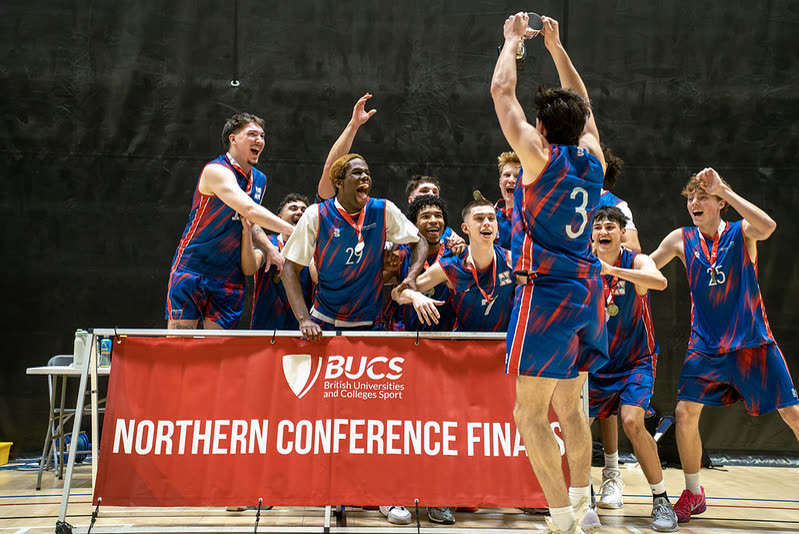
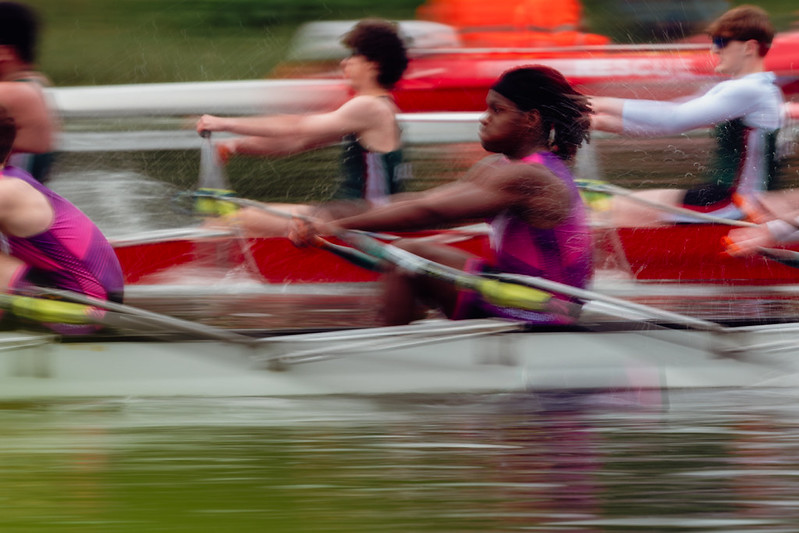
American college rowers can pursue a UK master's degree and compete for a university crew after using their NCAA eligibility. Admission, current enrollment, BUCS rules, team selection, and any applicable visa conditions still matter. Some universities offer sports scholarships or performance support, with packages varying by institution.
Can you row in the UK after NCAA eligibility ends?
Your final college race does not have to be your final university race.
British Universities & Colleges Sport, known as BUCS, runs a separate competition system from the NCAA. Using your NCAA, NAIA, or JUCO eligibility does not by itself prevent you from competing for a UK university crew.
That gives graduating rowers a route worth considering: earn a postgraduate degree while training and racing with a new team.
You still need to meet the relevant requirements:
- Academic admission: You must be accepted onto a suitable course.
- Student status: BUCS requires competitors to meet its registration and study requirements at a member institution.
- Competition rules: General BUCS rules, rowing regulations, and event-specific requirements apply.
- Crew selection: A coach's interest does not guarantee a seat in a boat.
- Immigration permission: If you need a Student visa, your planned sporting activity must comply with its conditions.
Ask the university to confirm how those rules apply to your course and circumstances. You can review the current BUCS individual eligibility regulations and rowing regulations on the BUCS website.
What does a UK university rowing season look like?
UK university rowing offers racing across the academic year, with opportunities for both men and women. The BUCS programme includes indoor rowing, head racing, and a spring regatta. Individual universities may also enter other events.
For a rower used to a U.S. college schedule, here is a useful starting comparison:
- Fall and winter: Expect training on the water and indoors, with longer-distance racing in some programmes.
- BUCS Head: Crews race against the clock. At the 2026 event, courses were approximately 3,000 metres for beginner and small-boat crews and 5,000 metres for intermediate and championship crews.
- BUCS Regatta: Crews race in a multi-day spring event, with boat classes and categories set out in the event information.
- Other racing: Ask each coach which additional regattas the squad targets and how crews are selected.
For 2027, BUCS lists the Head provisionally for February 20–21 and the Regatta provisionally for April 30–May 3. Dates and arrangements can change, so check the event pages before making travel plans.
Training volume and competitive standard vary by university and squad. A strong U.S. college résumé will get a coach's attention, but it does not translate automatically into a particular UK boat. Ask about the athletes currently in the squad, selection dates, and the balance between coursework and training.
What do UK rowing coaches look for?
Coaches need enough information to understand your ability, experience, and academic plans. Start with a concise recruiting profile that includes:
- Recent erg scores: Include your 2,000-metre result, test date, and any other relevant pieces. Give context if you are returning from injury or have a more recent result at another distance.
- Rowing background: List your college, division or league, years in the sport, and whether you sweep, scull, or do both.
- Race experience: Name your boat classes, regattas, and results. Coxswains can include race footage and experience with different crews.
- Academic record: Provide your degree subject, GPA, expected graduation date, and postgraduate subjects of interest.
- Video and references: Share clear rowing footage if available, plus contact details for a coach who can speak to your contribution.
There is no single erg score that guarantees a scholarship or a seat. Coaches consider the whole profile, the needs of their squad, and the places available.
Be direct about what you want. Are you looking for the highest training volume you can manage, a competitive crew alongside a demanding degree, or a programme where you can develop as a sculler? That answer helps identify a better fit.
How do rowing scholarships and costs work?
UK sports scholarships can make a master's more affordable, but packages vary. An award may include a tuition fee reduction, services, or a combination of support. It should not be assumed to cover the full cost of attendance.
Depending on the university, ask whether a package includes:
- A tuition discount or fee waiver.
- Strength and conditioning.
- Physiotherapy or access to sports medicine.
- Performance nutrition support.
- Gym access.
- Help with competition or travel costs.
Get the details in writing. Check whether an award is deducted from tuition, whether services have limits, and what you must do to retain it. Also ask which rowing costs sit outside the award, such as club membership, kit, race entry, and travel.
Here is an illustrative budget, not a university quote:
- Tuition: £24,000
- Tuition scholarship: −£6,000
- Tuition after scholarship: £18,000
- Living costs: £13,200
- Illustrative total: £31,200
That example excludes flights, visa costs, health charges, rowing expenses, and personal spending. Actual tuition, living costs, and awards differ by university and location.
Many UK taught master's degrees can be completed in 12 months, although course lengths vary. A shorter course can mean fewer months of tuition and living costs than a longer programme, but compare the full costs of your actual offers before deciding.
How do you apply and plan your next season?
Start with the degree, then find a crew that fits. You will spend serious time in both.
- Choose your academic direction. Identify subjects that support your career goals and check each course's entry requirements.
- Build your rowing profile. Gather your transcript, erg scores, race results, video, and coach reference.
- Discuss potential matches. Athlete Futures Abroad uses your recruiting profile to identify suitable university coaches, and our team introduces you to them personally by email.
- Compare the details. Ask coaches about squad depth, training, selection, racing, and scholarship support. Confirm course fees and admission requirements with the university.
- Plan immigration and arrival. If you need a Student visa, speak with the university's international student team about your circumstances before committing to sporting activity.
A Student visa permits qualifying amateur sport, but it does not generally permit professional or semi-professional play or coaching, including unpaid activity. Home Office guidance also identifies circumstances that can affect how sporting activity is classified, so check your individual situation with your university.
The best time to start is before your final race. An early conversation gives you room to compare courses, speak with coaches, and understand the costs before making your decision.
Ready to see where rowing could take you after college?
Tell us about your rowing experience, academic goals, and preferred timeline. We'll help identify potential university matches and personally introduce you to coaches by email.